Sara Skoog started college as pre-med, switched her major to English and has spent 20+ years writing about medical education and health care. Hobbies include baking, crosswords and not watching sports.
Author Page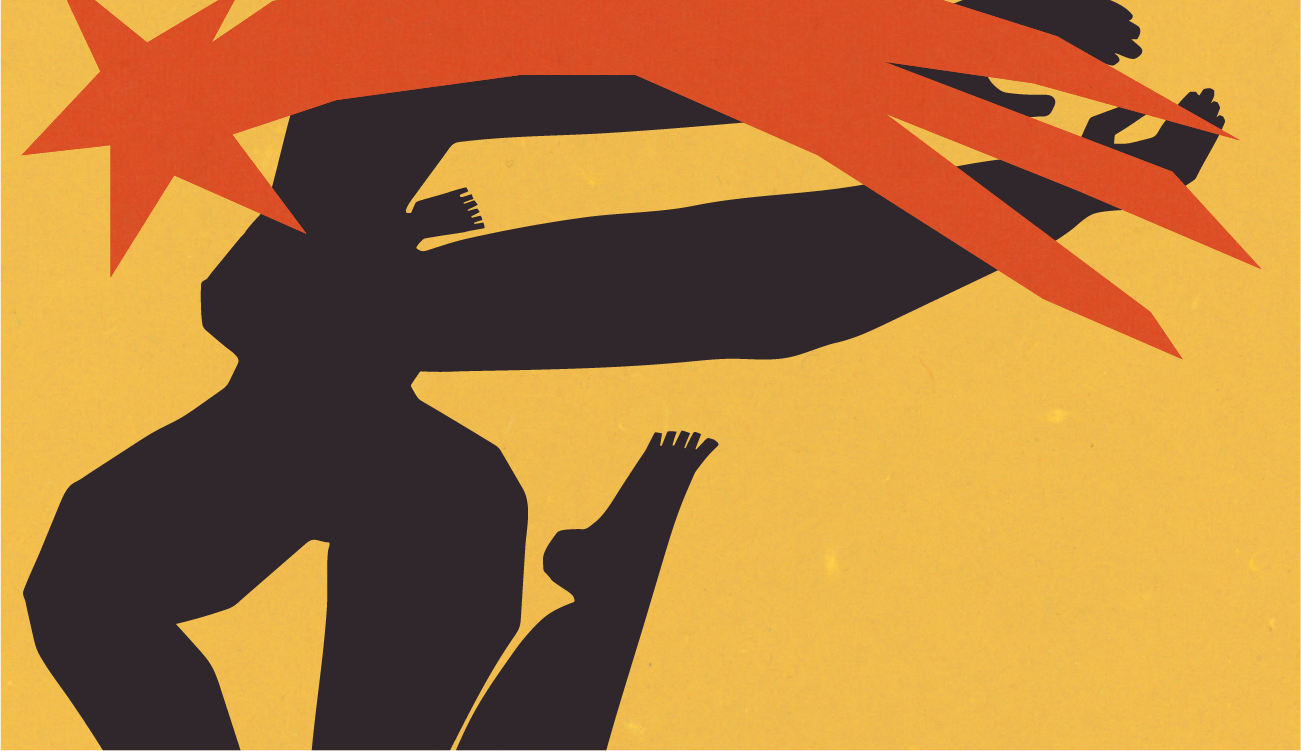
Cardiovascular physical therapy takes on a cardiac event’s systemwide impact on the body
Illustration by Nia MusibaCardiovascular and pulmonary physical therapy (PT) specialists always start with heart. Literally. It’s their job.
“I’m working with patients who have just had a heart attack or cardiac surgery, or have been admitted for heart failure,” says Laura Friedman, PT, DPT, CCS, assistant professor in RFU’s Department of Physical Therapy. “PTs focus on developing functional goals for their patients, so I’m thinking about getting them back on their feet and walking again, helping them build their endurance and their strength.” Dr. Friedman begins on a patient’s first day in intensive care and is often the first person getting them out of bed.
While it may sound counterintuitive, getting a patient up and moving shortly after a cardiac event helps kickstart the healing process by improving blood circulation and lung function.
A major cardiac event, such as a heart attack, triggers a cascade of cardiovascular events that have a systemwide impact on the body. An improperly functioning heart disrupts normal blood flow, which inhibits the body’s ability to circulate oxygen, regulate blood pressure and heal damaged tissue. Periods of immobility following a heart attack can reduce lung function and increase the risk of pneumonia or other infections.
Insufficient blood circulation, combined with a lack of physical activity, causes the body to become deconditioned. Physical therapists see these effects on their patients in muscle weakness, extreme fatigue, shortness of breath with any exertion, and difficulty performing basic activities, such as getting out of bed or walking to the bathroom. Movement stimulates blood flow, so the more a patient can move, the better for their body.
The amount and type of movement depend on what the patient is capable of doing and how they feel while doing it. Dr. Friedman, whose patients also include heart and lung transplant recipients, accounts for factors that may affect a patient’s ability to move, such as whether their breastbone was cut through during surgery or the type of closure on the incision. She’s also keeping a close eye on their vital signs — heart rate, blood pressure and oxygen saturation (a measurement of the amount of oxygen in the blood) — starting when the patient is at rest, then watching what the numbers do when the patient begins to move.
Getting a patient up and moving shortly after a cardiac event helps kickstart the healing process by improving blood circulation and lung function.
“Patients’ vitals are constantly monitored in acute care/ICU settings, so I can see instantly if changing position from lying in bed to sitting at the edge of the bed, to standing or walking, causes an abnormal change in vitals, and I can adjust the activity based on what my patient needs in that moment,” she says.
Dr. Friedman also works in close consultation with doctors and the bedside nursing team. If she notices the patient experiencing pain or a drop in blood pressure, a nurse can administer necessary medications, so the patient is able to continue their physical therapy. Each incremental improvement in strength and stamina gets the patient one step closer to going home.