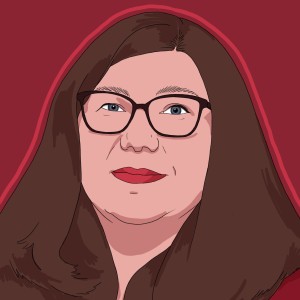
Once a globetrotter, Amy Knutson Strack now blends her 30-year career in editorial leadership, strategic communications and storytelling with purpose. She’s fueled by curiosity, caffeine and the occasional family road-trip playlist.
Author Page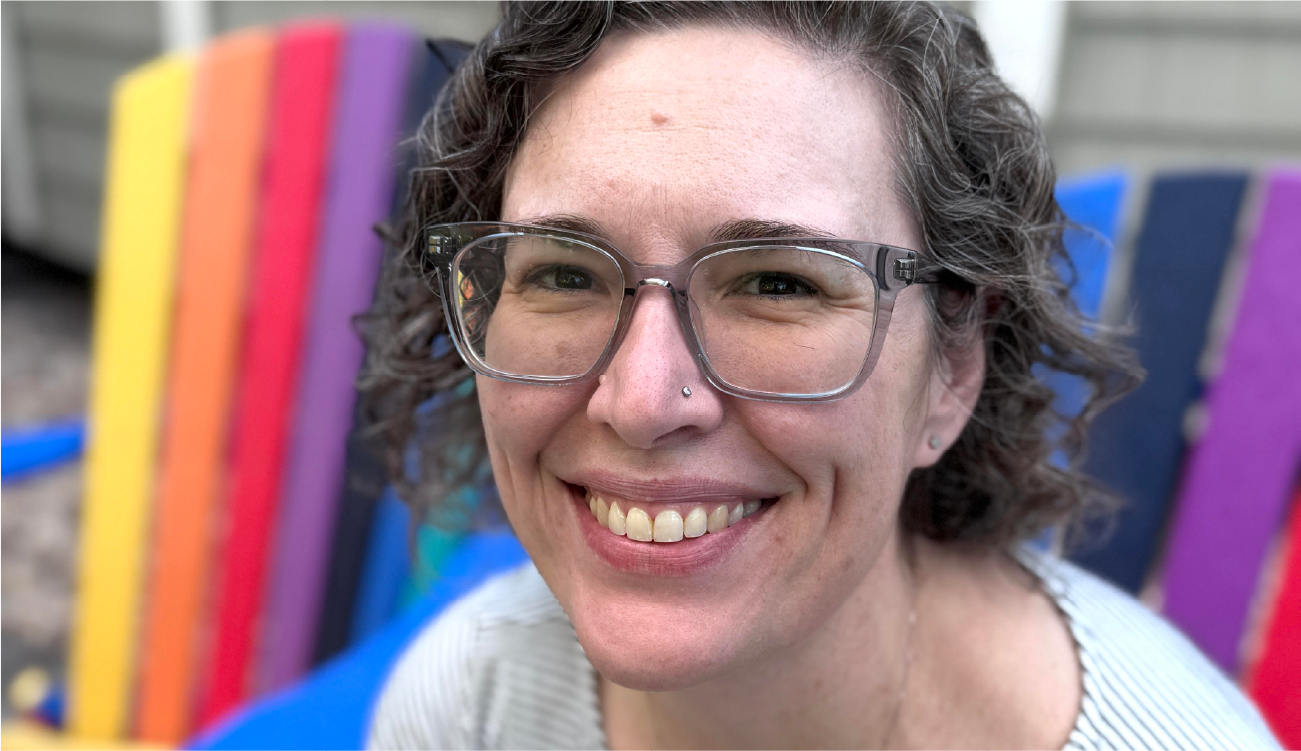
Amanda Rostkowski, MD ’10, PhD ’08, is a gynecologist who specializes in minimally invasive surgery at Comprehensive Gynecology of Connecticut. A founding member of Rosalind Franklin University’s All School Research Consortium, she completed her OB-GYN residency at Yale-New Haven Hospital and her fellowship in advanced laparoscopy and pelvic-floor reconstruction at Mercy Medical Center in Baltimore. She has mentored RFU students about pelvic pain and gender-affirming care.
How did your dual PhD and MD degrees shape your career?
AR: Completing a PhD allowed me to hone my critical thinking and communication skills. During my MD, it was clear I was drawn to surgery over bench research, and the longitudinal aspect of caring for patients across their lifetime. I love meeting patients and deciding their treatment together.
How do you sleuth out complex pelvic pain in patients?
AR: The most important thing in medicine is listening to patients. Endometriosis is a common condition that is frequently missed. The average patient sees seven different physicians and goes 10 years before being diagnosed. I feel we rely too much on tests. Most of the time, I know the diagnoses after taking a good history and doing an exam.
What are patients’ responses to being heard?
AR: I know where the tissues are in my exam room; it’s common for patients to need them after I say, “I believe you.” GYN patients are often told that there’s nothing wrong — even by their moms, since they were in pain, too, not realizing endometriosis runs in families. But periods should not cause you to cry!
How do you mentor this approach with RFU students?
AR: It’s easy to feel pressured to know all the answers. Chronic conditions are hard. I think one of the most powerful things you can say to a patient is, “I don’t know; I know that’s frustrating for you; I’m going to try to help.” And I collaborate with people in different specialties all the time.
It’s also so important to never lose your curiosity. I am curious even about non-GYN issues. I had a patient with pain in her arm, and I had to ask: “What’s going on here? Why can’t you lift your arm above your head?” She had been dismissed by many providers. I validated this wasn’t normal and encouraged her to continue looking for answers. She was diagnosed with seronegative rheumatoid arthritis. With a little encouragement, she sought out answers and help.