Once a globetrotter, Amy Knutson Strack now blends her 30-year career in editorial leadership, strategic communications and storytelling with purpose. She’s fueled by curiosity, caffeine and the occasional family road-trip playlist.
Author Page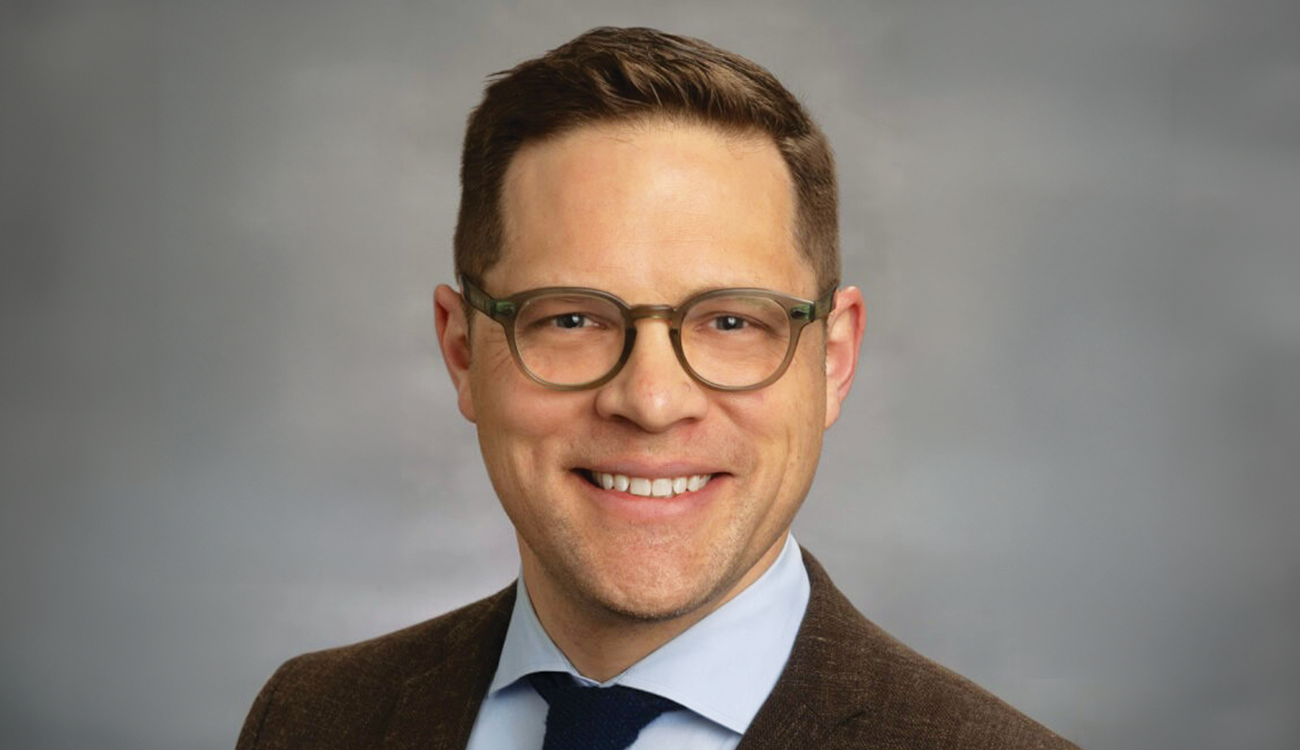
Alex Kendall, MS, PA-C ’10, co-leads an award-winning community clinic in rural Georgia. He is an assistant professor and physician assistant program director at Emory University’s School of Medicine in Atlanta and previously taught at RFU.
In 2025, you and two colleagues received the national Excellence in Interprofessional Education Collaboration Award for the Emory Farmworker Project. Tell us more!
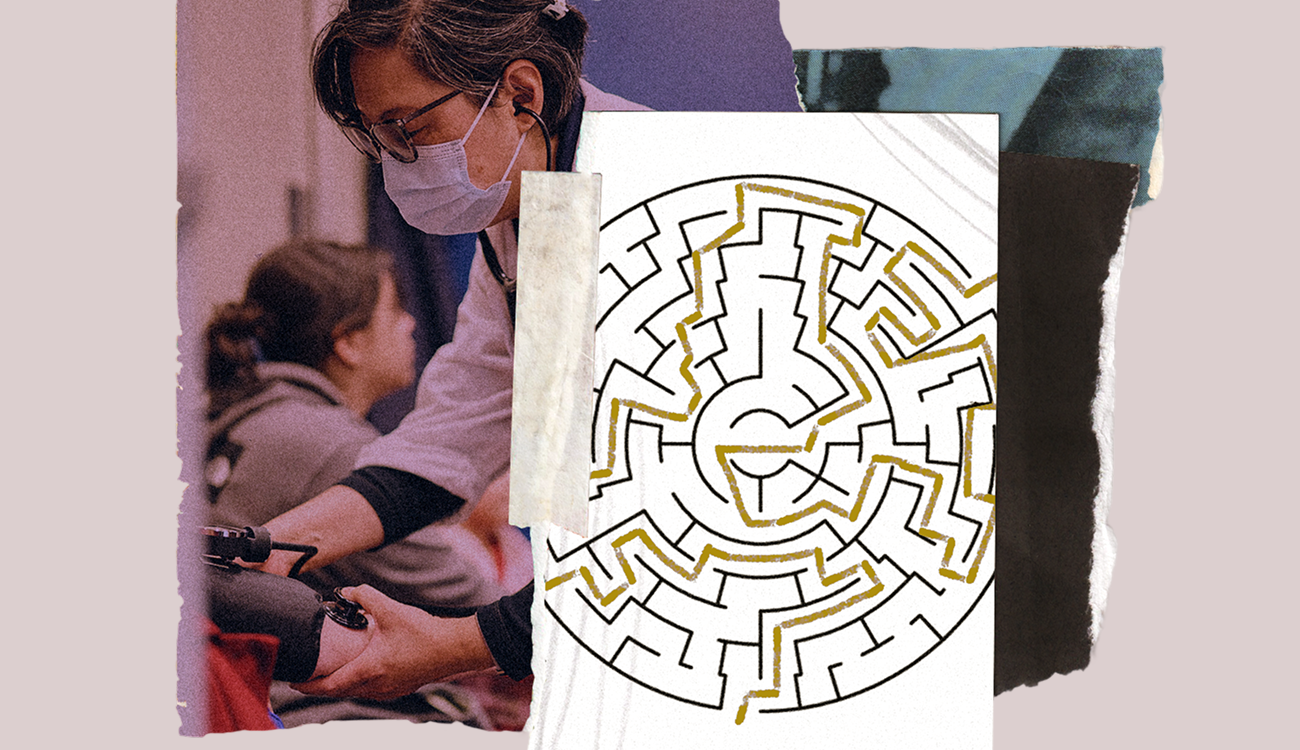
Thank you! The Farmworker Project is a remarkable public health collaboration in Georgia, running for nearly 30 years. Working in small teams, we deliver essential care to under-resourced seasonal farmworkers. Our volunteers are a diverse group of faculty, students and community partners. It’s true interprofessional work while caring for people with multiple overlapping healthcare challenges.
We serve more than 2,000 workers every year, often in the fields where they work. The summer season is as hot as you can imagine in South Georgia.
Who is involved in this collaboration?
It has blossomed into the signature component of the physician assistant student experience. We work in small teams, often including medical, nursing and physical therapy students; fellows and alumni from Emory Healthcare; clinicians; interpreters; and partners from regional universities. Patient diagnoses range from simple to complex, and we give students real-time feedback to guide them through what it is like to offer care in a very, very rural setting.
How do you weave this together for the patient-
care experience?
We care for people who have challenges to healthcare access, and we promote team-based care. Patients are first met by an interpreter and a PA, who is the medical lead, to assess medical needs from mental health to orthopedic to cardiac care. The majority of farmworkers we see also experience financial and food insecurity, so we connect them to these resources on-site.
How did RFU prepare you for leading these experiences?
It was very easy for me to transition into this work because of RFU’s focus on team-based care. RFU gave me a familiarity with interprofessional clinics.
We know collaborative team-based practice leads to better patient outcomes. RFU’s Interprofessional Community Clinic was foundational in my own academic and professional life as faculty. The Emory Farmworker Project has allowed me to continue this work and be an advocate for this experience for students. It contributes to feeling like I’m a part of something bigger.