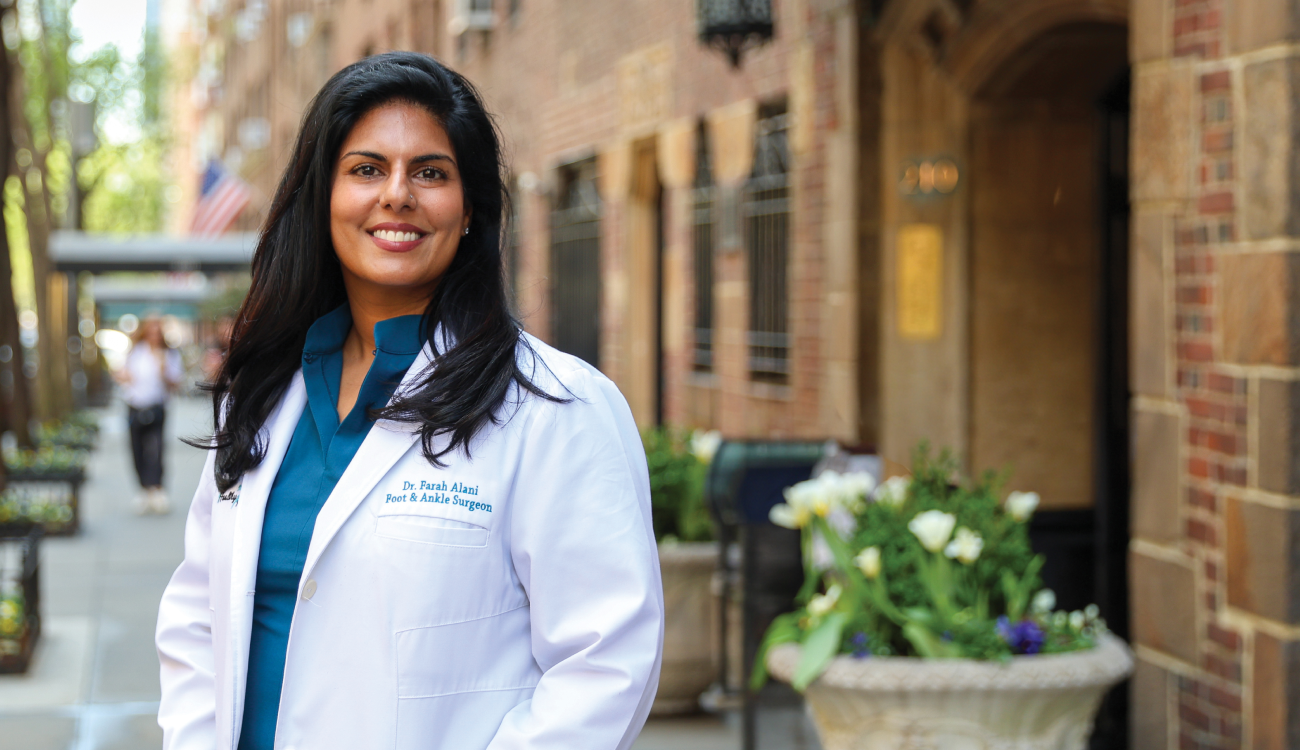
Stephanie Bonne, MD ’06, is a trauma surgeon at Advocate Christ Medical Center and a professor of surgery at Wake Forest University School of Medicine.
Author Page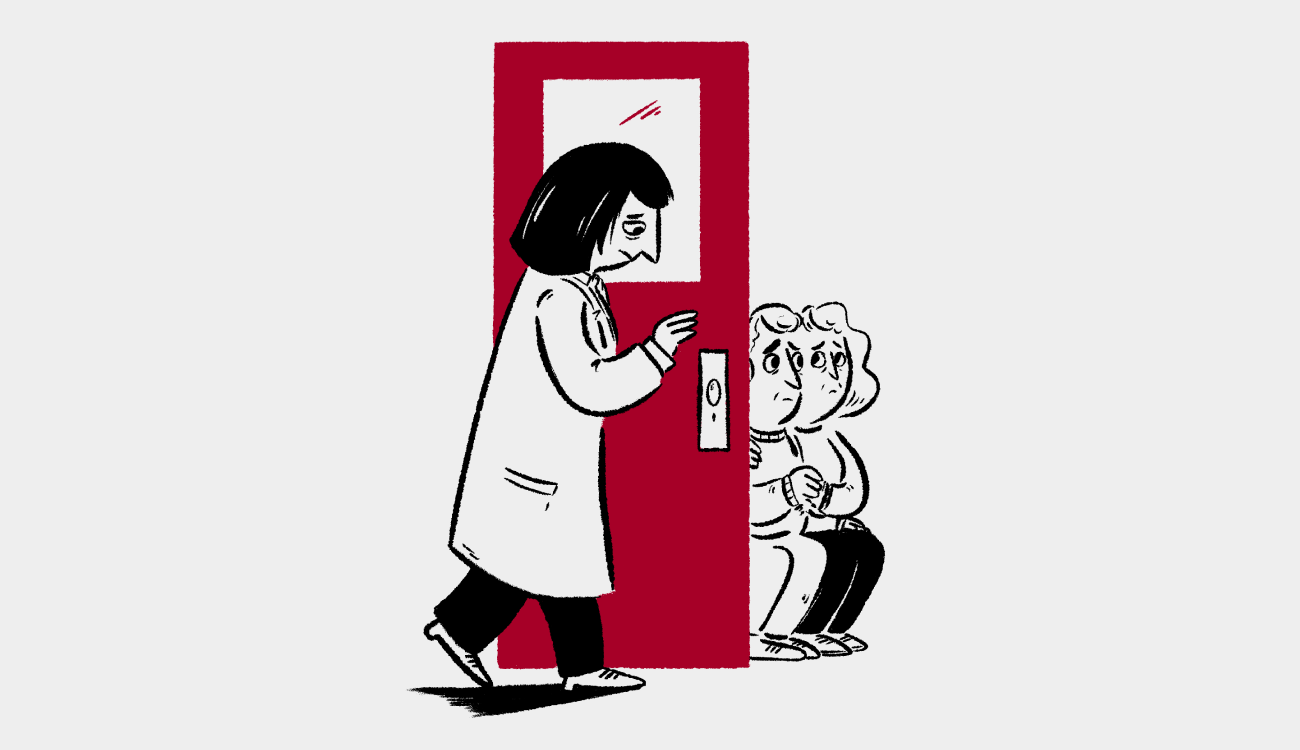
Trauma, Parenthood and Proximity
Illustration By James YatesCommunity & Service
I had learned in medical school how to tell families someone they love had died. I had done it as a resident and as a surgeon in training. I knew what to say. I knew how to keep my voice steady and be present for them as a stranger on the worst day of their lives.
Then I became a parent. I was a surgical resident in 2010 when I got pregnant with my first child. I was full of anticipation for the life ahead, all the knowns and unknowns. But I wasn’t prepared for how having a child would change my relationship to my work as a trauma surgeon.
Shortly after I returned to work from my maternity leave, I had to, once again, give a family horrible news. I walked into the quiet waiting room to speak with my patient’s parents. Their son was just over 20. That morning, he had left the house like any other day. It was an ordinary goodbye, nothing to remember. Hours later, a crash brought him to our trauma bay with injuries too severe to treat.
I remember standing outside the waiting room before I walked through the threshold, feeling the weight of how recently their world had still been intact. I remember thinking about how they had probably been waiting, maybe replaying the last conversation they’d had with him, assuming they would soon hear some kind of update, some path forward. There wasn’t one.
I told them their son had died. I don’t circle around news like this; I get right to the point, because nothing else matters in that moment. They will later viscerally remember the way the room looked, the temperature, the quality of the light. They won’t remember anything else I said.
After this conversation, my workday was over. I went home. I did something completely mundane, a routine so ordinary I don’t even remember the specifics. Dinner, bath time, some ritual of early parenthood. And all I could think about was this family.
Parenthood didn’t give me empathy. I already had that. This new emotion was more about proximity. Somewhere across the city, two parents were entering the longest night of their lives while I was tucking my son in bed. I couldn’t shake the overwhelm of how fast everything can collapse, how thin the membrane is between normal life and catastrophe.
Trauma surgery is about stopping bleeding, removing a bullet from flesh, fixing what can be fixed. But sometimes the most important thing you can do with your hands is rest them and bear witness.
Published July 5, 2026