School of Graduate and Postdoctoral Studies
View Related Pages
Keynote Address
Date: March 17, 2027
Time: 10:30 a.m. to 11:30 a.m.
Location: Centennial Room
 PRESENTATION TITLE: Evolution of the Pancreatic Cancer Microenvironment
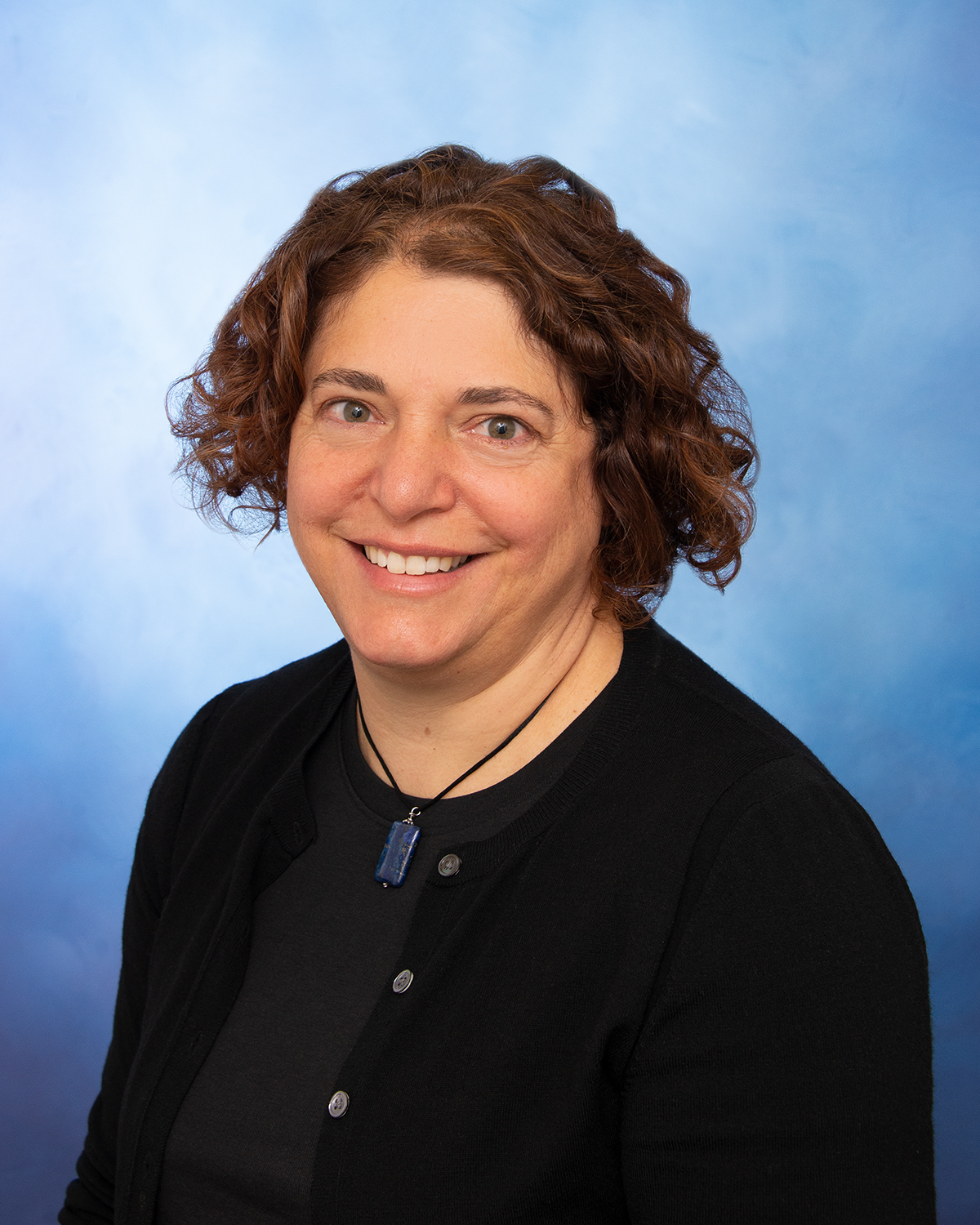
KEYNOTE SPEAKER: Marina Pasca di Magliano, PhD
Maud T. Lane Professor, Department of Surgery
Professor, Department of Cell and Developmental Biology
Co-leader, Signaling and Tumor Microenvironments program, Rogel Cancer Center
Co-director, Rogel and Blondy Center for Pancreatic Cancer
University of Michigan, Ann Arbor, MI
Following undergraduate education at the “Federico II” University of Naples and graduate education at the Institute for Molecular Pathology in Vienna, Austria, Dr. Pasca di Magliano moved to the US to pursue postdoctoral training in the laboratory of Dr. Matthias Hebrok at the University of California, San Francisco.
The Hebrok laboratory had a robust research program studying signaling regulating pancreas embryonic development. Dr. Hebrok and Pasca di Magliano agreed to embark in a new direction, studying the same signaling pathways, namely Hedgehog and Wnt, in pancreatic cancer. Following publication of her work, Dr. Pasca di Magliano was recruited to the faculty at the University of Michigan in Ann Arbor.
Her independent laboratory branched out in a new direction, by generating a genetically engineered mouse model where oncogenic Kras, the hallmark mutation of pancreatic cancer, could be expressed in a tissue-specific, inducible and reversible manner, the iKras model. The iKras model provided proof-of-principle of Kras dependence in advanced pancreatic cancer and revealed a non-autonomous role of oncogenic Kras in shaping the tumor microenvironment. Using patient samples, Dr. Pasca di Magliano published one of the early large scale single cell RNA sequencing studies on pancreatic cancer. More recently, her laboratory applied similar techniques to the normal pancreas, identifying widespread precursor lesions in the general population independently from age. Her work centers on collaborative team science bringing together basic scientists and clinicians, and her laboratory seeks to train the next generation of cancer researchers.