
View Related Pages
Reimagining RFU’s Center for Advanced Simulation in Health Care: What’s Inside
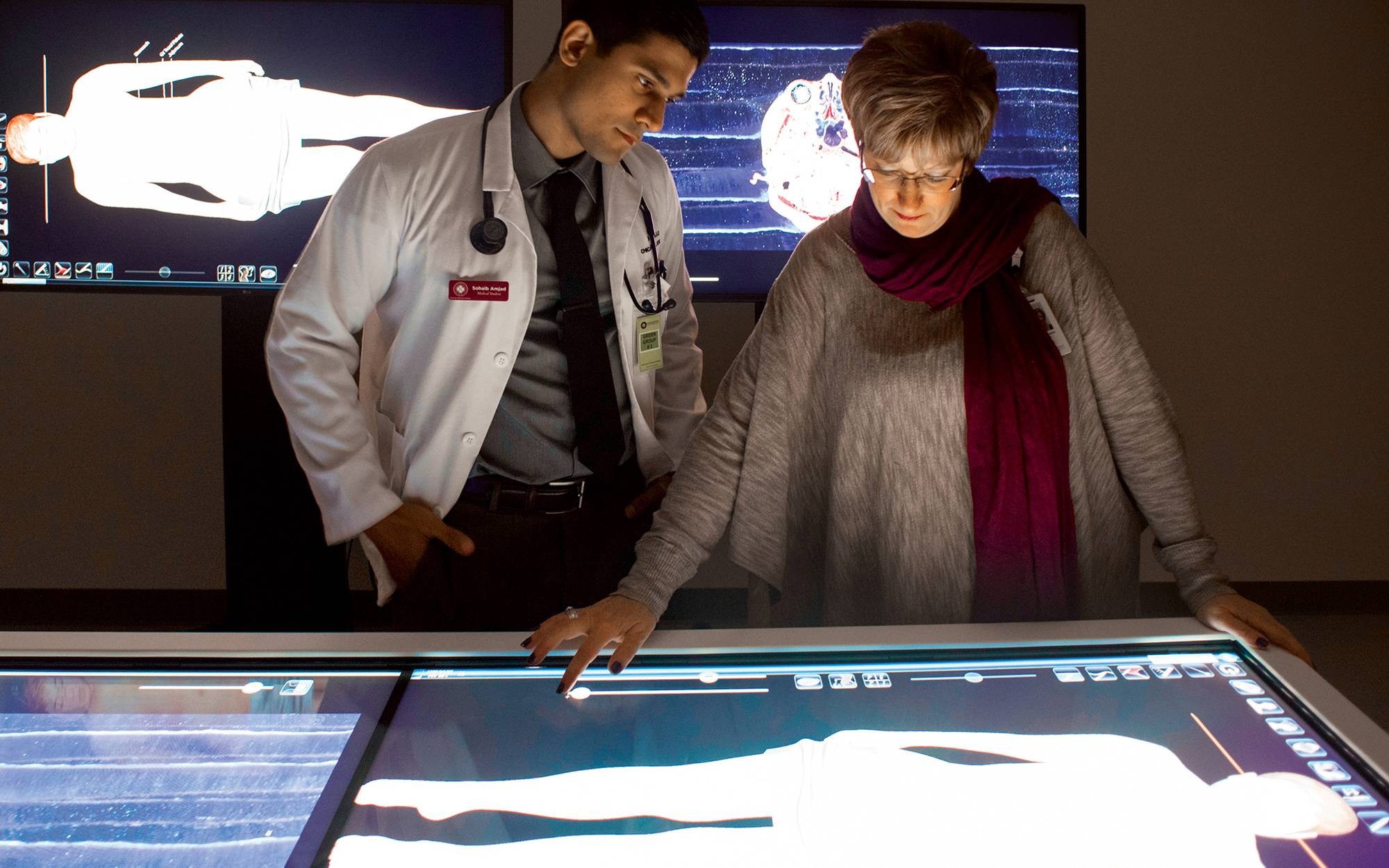
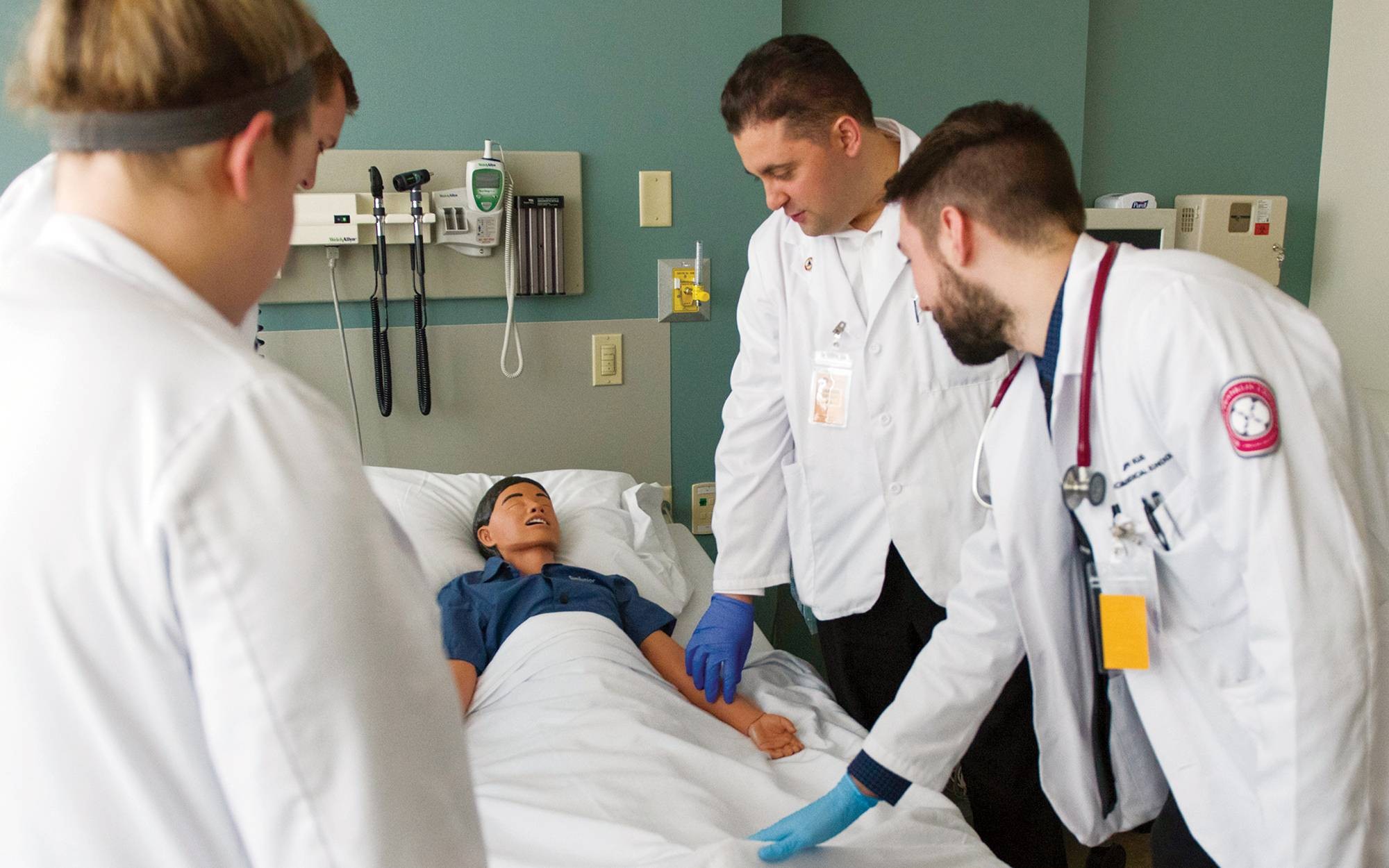
RFU’s Virtual Health System will be a state-of-the-art simulation center designed to transform healthcare education and professional development. When completed in late 2026, this immersive, multifaceted environment will emulate the full continuum of care, fostering interprofessional collaboration, reducing risk through safe skill-building, and enhancing decision-making to improve outcomes and reduce the cost of care.
Emergency Department
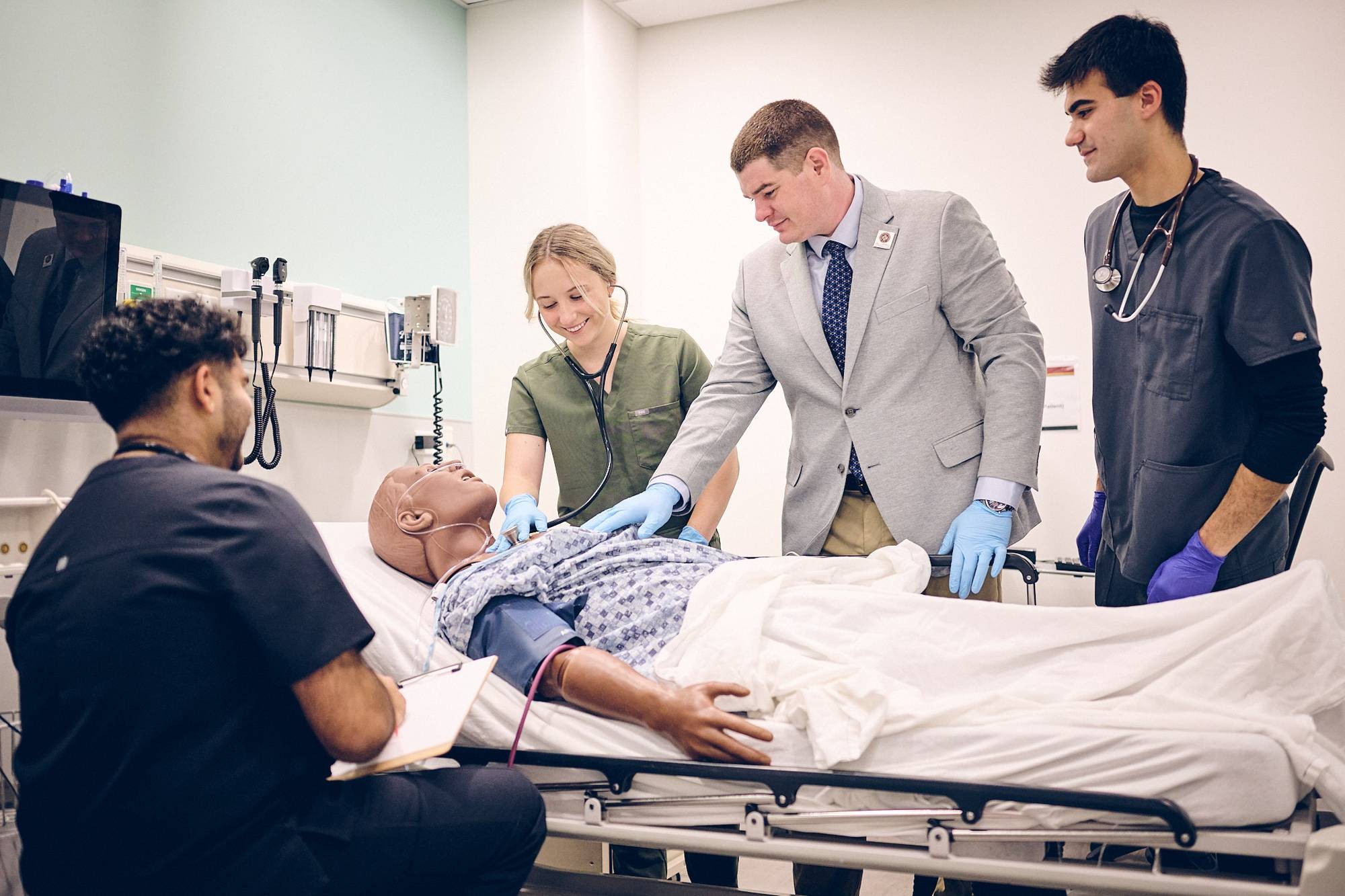
With six treatment rooms and a fully equipped trauma bay, this space engages learners to sharpen their focused history and physical exams, clinical procedure skills, and individual and team decision-making skills.
Empathy Lab
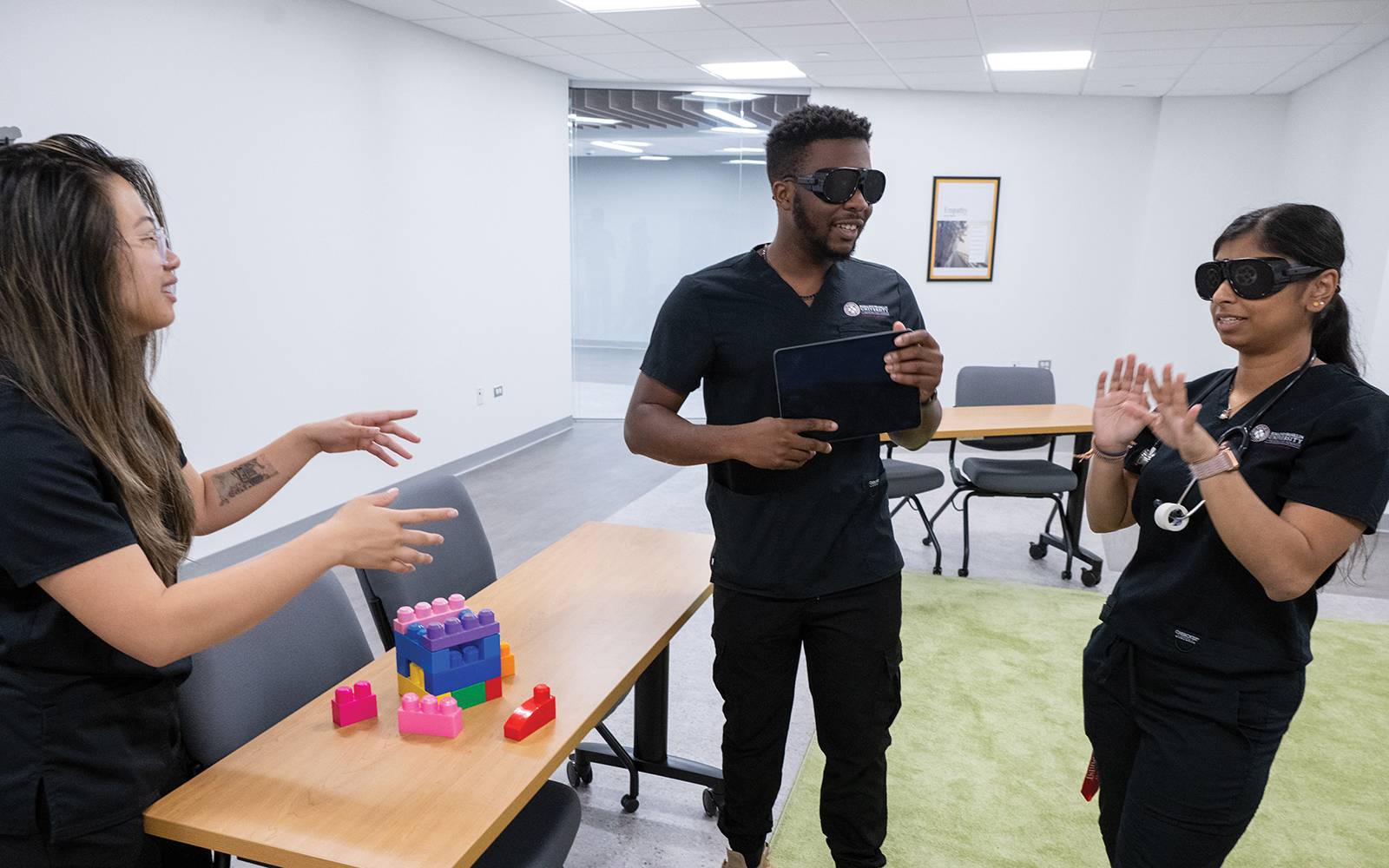
The Dr. Scholl Foundation Empathy Lab is where students can step into the shoes of a patient and briefly experience what it might be like to have a specific diagnosis. Adaptive equipment and virtual reality simulate diagnoses such as visual disorders, stroke, Alzheimer’s disease and more. These experiences help our students provide better patient-centered care, so both patients and providers have improved outcomes.
Healthcare Makerspace and Innovation Lab
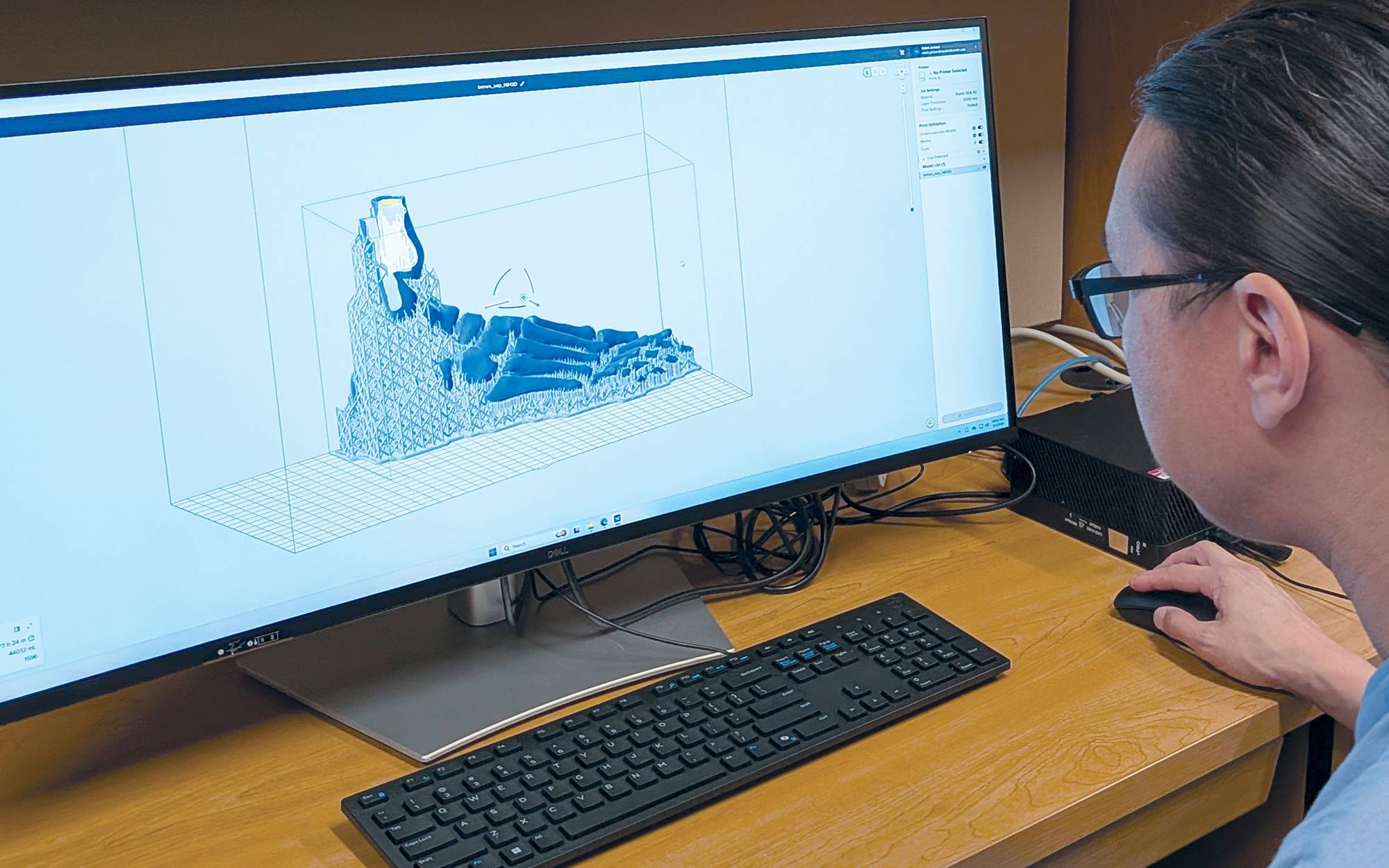
This interdisciplinary workspace fuels innovation and collaboration. With 3D printing technology and prototyping tools to create lifelike surgical models, manikin components and moulage for realistic training, it inspires creative problem-solving and enhances the realism, customization and fidelity of surgical and medical simulations. Advancing personalized and precision medicine, this space empowers future healthcare providers to contribute to technology advancements that enhance patient care and health outcomes.
Inpatient Care
A mock inpatient hospital unit, including patient rooms, nursing stations and diagnostic equipment, is designed to simulate a comprehensive inpatient environment. This space enables students to work through daily hospital scenarios, from patient admission to discharge, including medication administration, IV insertion and patient monitoring. Students will train in the continuity of care in a hospital setting, reducing the learning curve upon entering real clinical environments, and fostering skills to prevent errors and improve patient outcomes.
Intensive Care Unit (ICU)
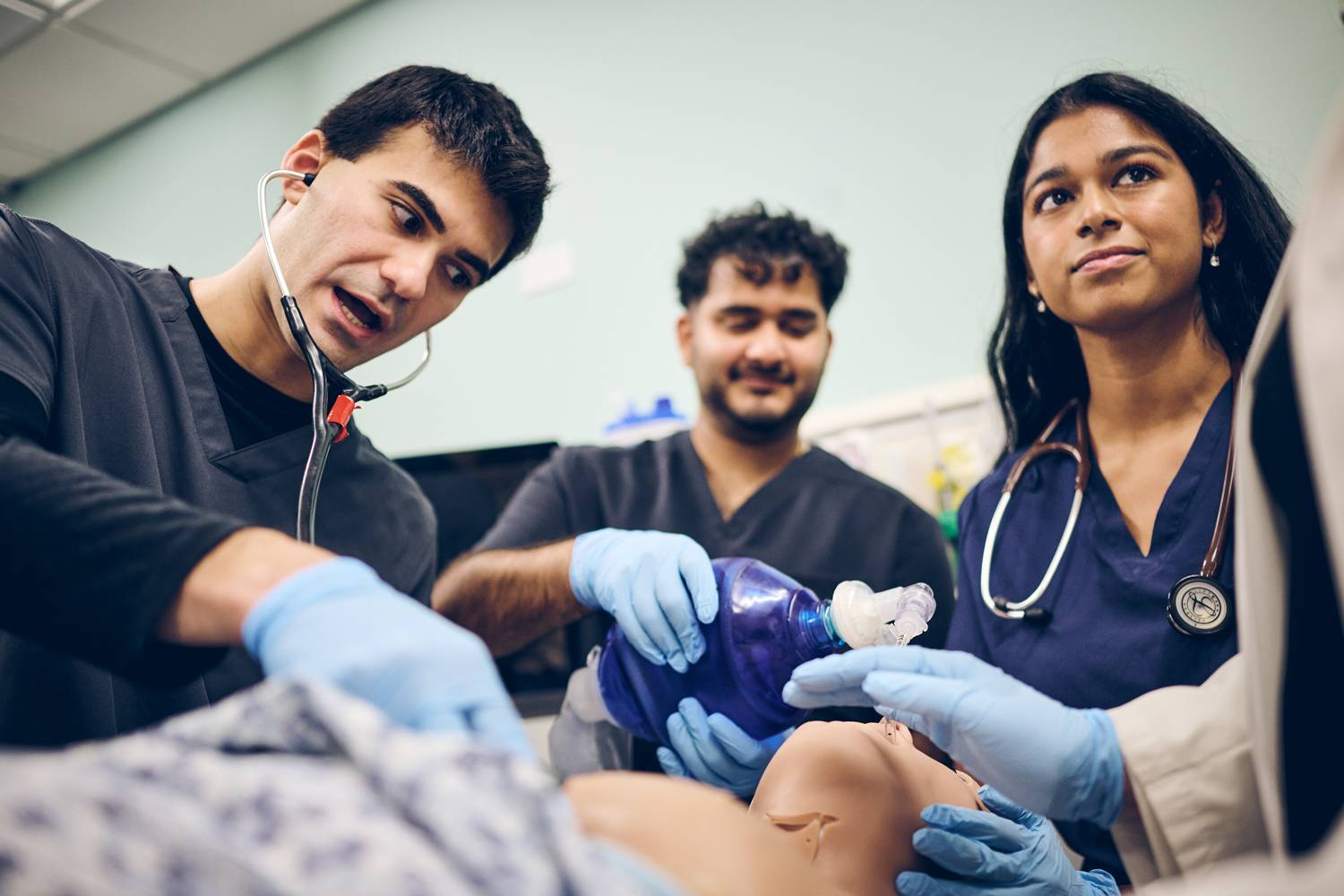
This is a high-acuity environment where learners can practice advanced critical-care skills and teamwork in complex, rapidly evolving scenarios, preparing them to manage critically ill patients while applying patient-centered care and patient-safety principles.
Collaboration Studio and Immersive 360° Room
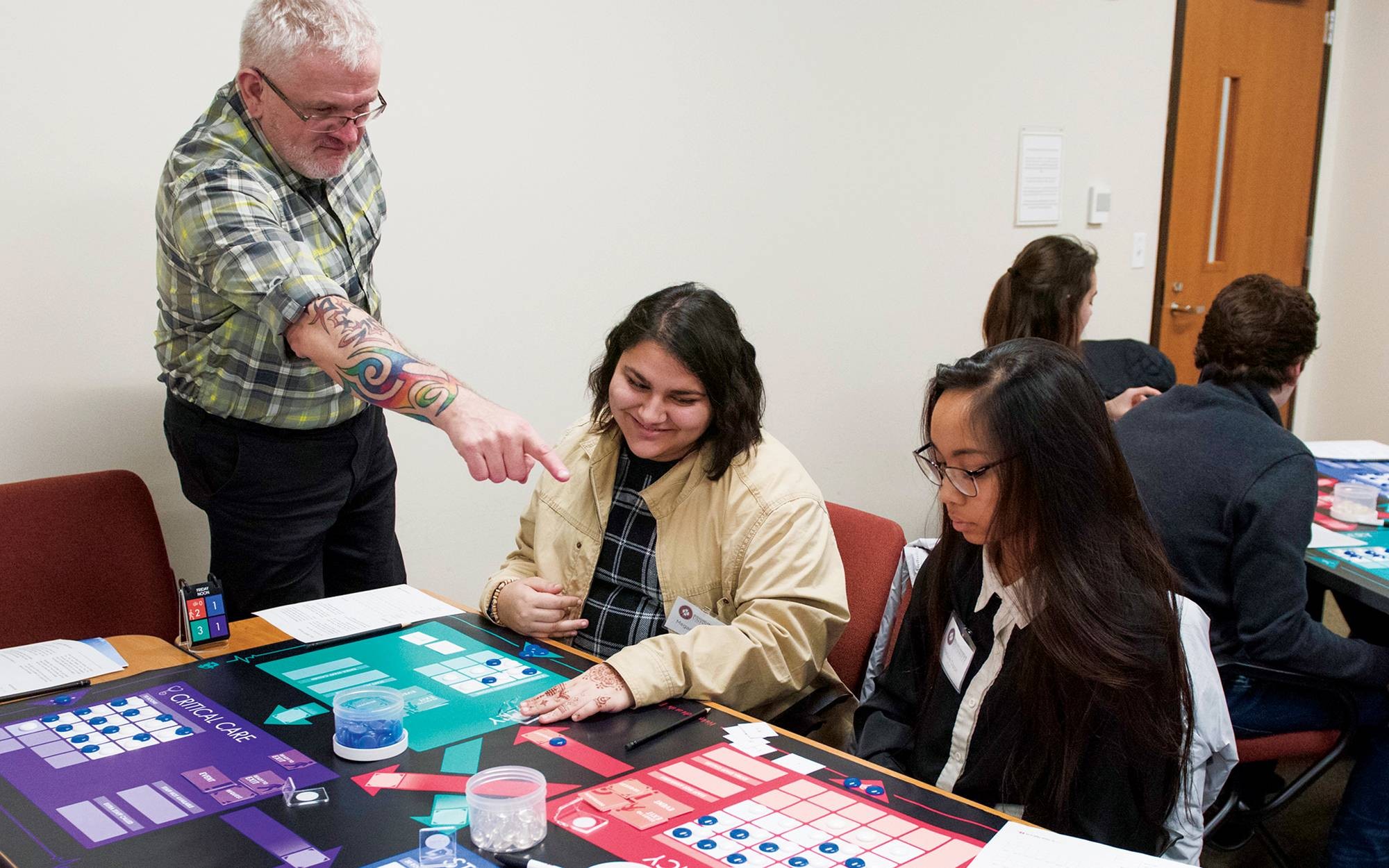
Designed to foster team learning and innovation, this flexible space supports small-group workshops, team decision-making and collaborative problem-solving. The studio includes a 360° interactive video wall, allowing immersive, adaptable environments to be projected for high-impact training. One day, it may replicate the interior of an ambulance; the next, a home environment for hospital-at-home training or an outdoor disaster scene.
Labor and Delivery Suite
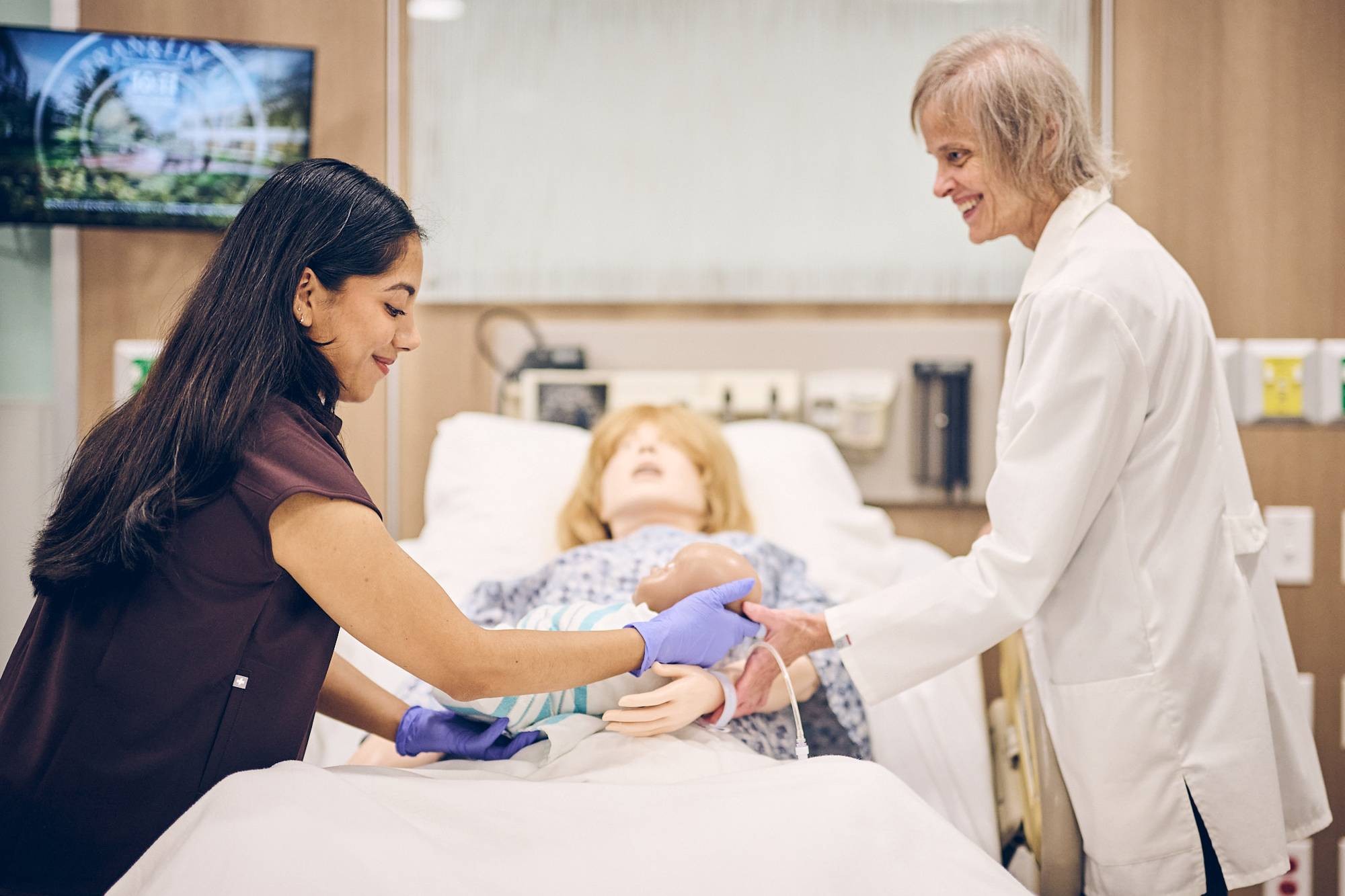
Students and teams manage standard and emergency situations during delivery and postpartum care using manikin- and standardized patient–based simulations with the goal to enhance maternal and fetal outcomes through collaborative care models.
Surgical and Procedural Suites
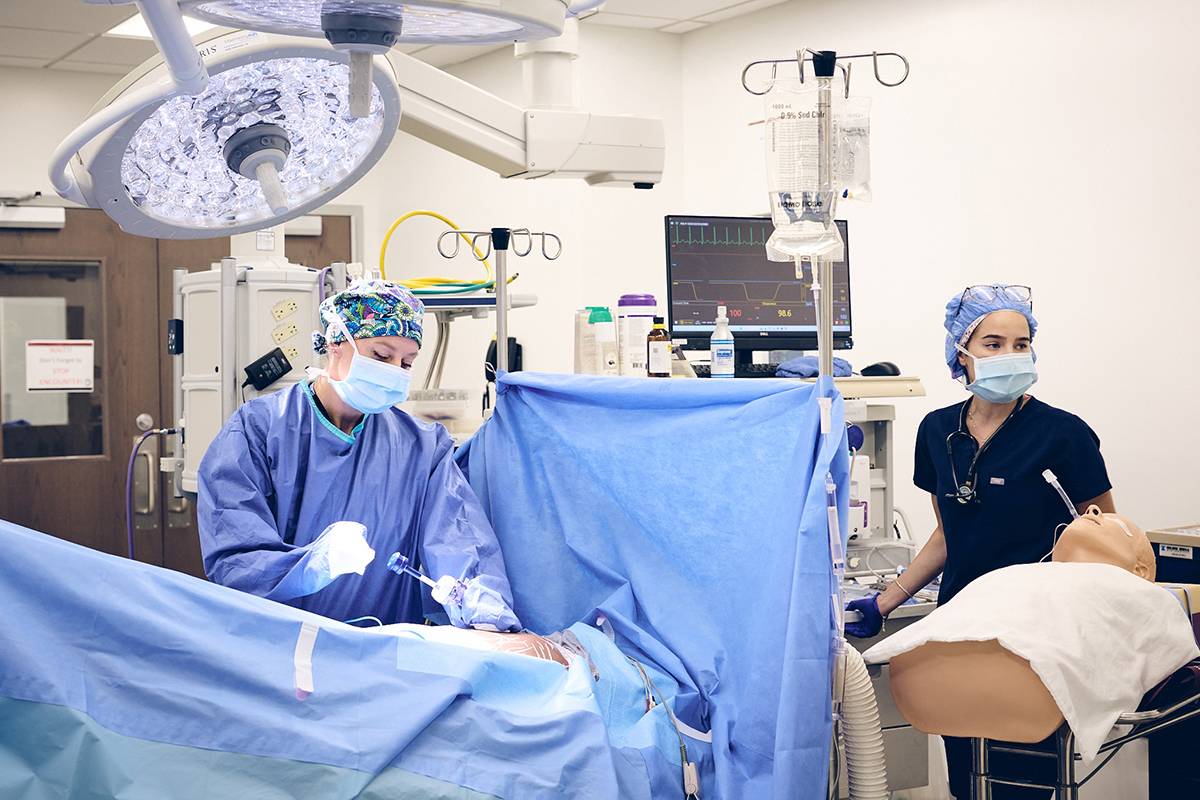
Including a full operating room and a procedure suite, this area immerses learners in perioperative care, surgical techniques and anesthesia workflows, enhancing their technical skills and familiarity with interprofessional roles in operative environments.
Outpatient Clinic
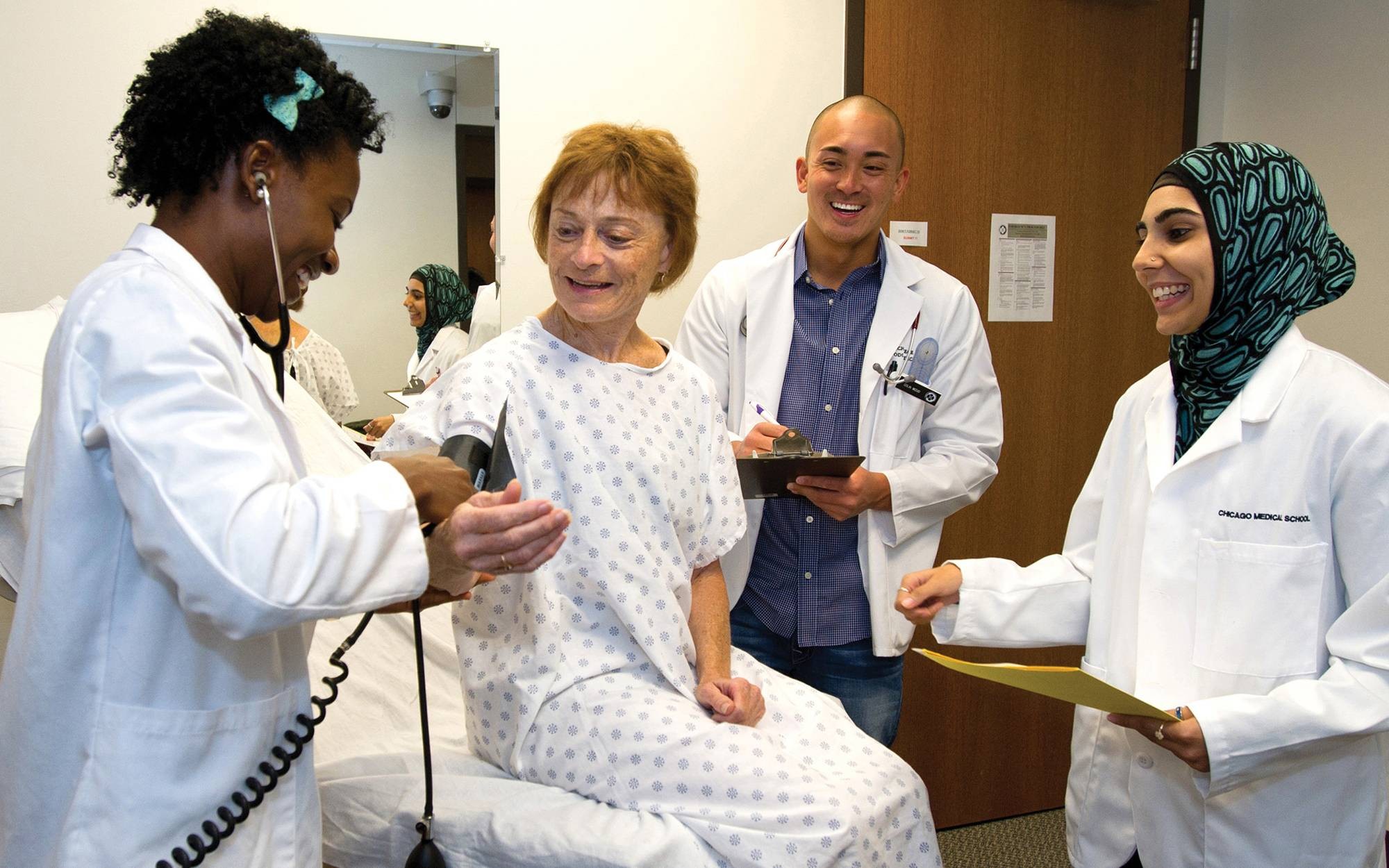
With 14 exam rooms, this zone is a training ground for foundational and advanced communication, clinical reasoning, patient education and optimization of chronic disease management, reflecting the realities of ambulatory practice.