
View Related Pages
Kimberly Laffey, PhD
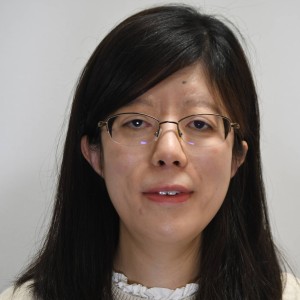
Dr. Kimberly G. Laffey received her PhD in Biochemistry and Molecular Biology from the University of Illinois. She joined the Mayo Clinic and then the University of Missouri for her postdoctoral training. In May 2026, Dr. Laffey joined the faculty of the Center for Cancer Cell Biology, Immunology, and Infection.
Research interests
The overarching goal of the Laffey lab is to better understand the physiologic and aberrant cellular signals driving early T cell progenitors in the thymus into normal or pathologic developmental fates, and to derive lessons enabling the therapeutic modulation of these processes. Current research projects include:
Early αβTCR signaling in leukemogenesis and T cell development. Mature peripheral T cells express the αβ T cell receptor (TCR) and the CD4 or CD8 coreceptor is required for signaling. Unlike mature T cells, a rare population of T cell progenitors (thymocytes) express the αβ TCR early in development and can signal in the absence of CD4 or CD8 expression (double-negative). We have shown that in these early αβ TCR+ double negative (EADN) thymocytes, TCR signaling can drive disparate outcomes of normal differentiation or malignant transformation to T cell acute lymphoblastic leukemia (T-ALL). However, it is unknown what influences the choice between physiologic and malignant cell fates. By using genetic models and clinical samples of T-ALL, this project investigates the cellular partners that cooperate with early αβ TCR signaling to drive leukemogenesis. Findings from this study will reveal key pathways of EADN cell transformation, allowing the exploration of their potential as avenues of T-ALL intervention.
The role of myeloid cells in thymic development and central tolerance. Defective clonal deletion of autoreactive T cells is implicated in the pathogenesis of autoimmune diseases including type I diabetes (T1D). We demonstrated that such defect in central tolerance can be influenced by IL-4 levels in the thymus. We observed that reduced thymic IL-4 diverts differentiation to T lineage rather than dendritic cells for a subset of early thymic progenitors (ETPs), ultimately leading to impaired clonal deletion of diabetogenic T cells. This defect can be reversed by intrathymic administration of IL-4, leading to delayed diabetes onset in the NOD model of T1D. Ongoing research in the lab seeks to address mechanistically how IL-4 signaling instructs the differentiation and function of ETP-derived dendritic cells. The ultimate goal of this work is to find ways of modulating central tolerance to complement existing peripheral tolerance immunotherapy, in order to attain more complete T1D protection.
Publications
Cattin-Roy AN*, Laffey KG*, Le LB, Schrum AG, Zaghouani H. Reduced thymic IL-4 impairs negative T cell selection in nonobese diabetic mice. Journal of Clinical Investigation. 2024 Dec2;134(23):e163417. (PubMed) *Co-lead authors
Nelson AD, Wang L, Laffey KG, Becher LRE, Parks CA, Hoffmann MM, Galeano BK, Mangalam A, Teixeiro E, White TA, Schrum AG, Cannon JF, Gil D. Rigid crosslinking of the CD3 complex leads to superior T cell stimulation. Frontiers in Immunology. 2024 Aug 30;15:1434463. (PubMed)
Earhart AP, Karasseva NG, Storey KM, Olthoff B, Sarker MB, Laffey KG, Lange MJ, Rector RS, Schulz LC, Gil D, Neuhauser CM, Schrum AG. Lower female survival from an opportunistic infection reveals progesterone-driven sex bias in trained immunity. Cell Reports. 2023 Aug 29;42(8):113007. (PubMed)
Laffey KG, Stiles RJ, Ludescher M, Davis TR, Khwaja SS, Bram RJ, Wettstein PJ, Ramachandran V, Parks CA, Reyes EE, Ferrer A, Canfield JM, Johnson CE, Hammer RD, Gil D, Schrum AG. Early expression of mature αβ TCR in CD4−CD8− T cell progenitors enables MHC to drive development of T-ALL bearing NOTCH mutations. Proceedings of the National Academy of Sciences. 2022 Jul;119(27):e2118529119. (PubMed)
Laffey KG, Du J, Schrum AG, Ackerman SJ. Transcriptional regulation of the human IL5RA gene through alternative promoter usage during eosinophil development. International Journal of Molecular Sciences. 2021; 22(19):10245. (PubMed)
Grozdanovic M*, Laffey KG*, Abdelkarim H, Harijith A, Hitchinson B, Harijith A, Moon H, Park GY, Rousslang LK, Masterson JC, Furuta GT, Tarasova NI, Gaponenko V, Ackerman SJ. Novel peptide nanoparticle–biased antagonist of CCR3 blocks eosinophil recruitment and airway hyperresponsiveness. Journal of Allergy and Clinical Immunology. 2019;143(2):669–680.e12. (PubMed) *Co-lead authors