View Related Pages
MENP Faculty Information
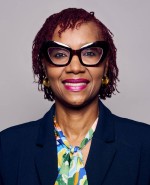
Dr. Sonya Cooks, DNP, RN, CNE
Associate Professor; Program Director- MENP Program
Courses Taught: Ethics and Social Determinants of Health
What is your clinical/professional background or area of specialty?
My clinical background includes medical-surgical nursing in general medicine, respiratory care, and oncology, along with several years in emergency nursing. As a Certified Nurse Educator, my expertise also includes nursing education, student development, and academic leadership, with a doctoral focus on social determinants of health.
Why did you choose nursing as a profession?
In many ways, I believe nursing chose me. Over time, it became an important part of my professional identity and has given me opportunities to care for patients, educate future nurses, lead, mentor, and continue growing in a profession that offers so many meaningful pathways.
What is your teaching style?
My teaching style is student-centered and grounded in active learning. I value discussion, application, and reflection because students learn best when they are actively connecting what they are learning to the nurse they are becoming.
Why RFU and the College of Nursing?
I strongly identify with RFU’s commitment to interprofessional education and the College of Nursing’s focus on developing diverse nurse leaders who advance equitable and ethical care. Those priorities closely align with my own professional values, particularly my interest in health equity, social determinants of health, collaboration, and preparing nurses to serve their communities.
What would you like prospective students to know about you?
Every milestone, challenge, and hurdle along the way contributes to your growth. Nursing school is not simply about reaching graduation; it is about developing the knowledge, confidence, resilience, and professional identity that shape the nurse you will become.
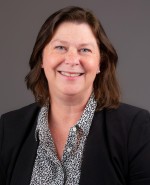
Janis Quinn, DNP, APRN, CPNP‑AC
Assistant Professor; Associate Program Director, MENP Program; Assistant Medical Director, RFU Interprofessional Community Care Clinic
Courses Taught: Introduction to Nursing Skills and Role; Pediatrics
What is your clinical/professional background or area of specialty?
I have been a pediatric nurse my entire career. I love childrens and their incredible resilience. Pediatric nursing is hopeful and positive most of the time and it brings me great joy to see sick children recover from illness or injury. I am also an Acute Care Pediatric Nurse Practitioner which is a role that I sought after 19 years at the bedside. My extensive bedside experience has made me a much better provider.
Why did you choose nursing as a profession?
When I was 16 I started to volunteer at a hospital as a "candy striper". During this time I spent time on the Pediatrics unit and the nurses were so welcoming to me. They found many things for me to help them with and as I watched them work with sick children I realized that nursing was the career I wanted to pursue.
What is your teaching style?
I kind of view myself as a coach and Socratic facilitator. While introducing new material, I like to pose questions to encourage my students to think and problem solve. I like to keep students engaged and actively thinking through problems. I want them to know the "why" of what they are doing.
Why RFU and the College of Nursing?
RFU is my first formal academic position. The culture here is collaborative and supportive of all people and our students come from such a variety of backgrounds that I find they teach me as much as I teach them.
What would you like prospective students to know about you?
I really want you to succeed! Please reach out for help if you are struggling. I also want to know you as a person so stop in and say Hi once on a while!
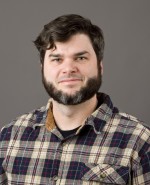
Daniel Mead, DNP, MSCE, ACNP, FNKF
Associate Professor; DNP-AGACNP and MSN-MENP Programs
Courses Taught: Advanced Pharmacology; Epidemiology & Biostatistics
What is your clinical/professional background or area of specialty?
I have both a clinical specialty and a research specialty. Clinically, my background is in internal medicine and nephrology, with the bulk of my practice focused on complex hospital medicine and nephrology care in nursing home populations. From a research standpoint, my specialty is clinical epidemiology. I use biomedical data, biostatistics, and epidemiologic methods to answer real-world clinical questions and solve problems that affect patient care. I really enjoy being able to bridge those two worlds—using what I see clinically to generate meaningful research questions, and then using data and science to improve how we care for patients.
Why did you choose nursing as a profession?
My decision to become a nurse was shaped by a very personal experience. During college, I cared for my father while he was dying, and that experience made me realize that I wanted a career where I could directly help people at the bedside. At the time, I was choosing between nursing, becoming a PA, and pursuing a biomedical PhD, and I was fortunate enough to be accepted into programs in each of those pathways. I ultimately chose nursing because I wanted that direct connection with patients. In some ways, I have now come back around to the PhD path, although my work is in the clinical realm rather than the biomedical laboratory. Nursing has been a great fit for me because it allows me to combine patient care, medical science, education, and clinical research into one career.
What is your teaching style?
My teaching philosophy is grounded in the principles of adult learning, particularly andragogy, a concept developed by Malcolm Knowles. I believe that understanding how and why adults learn should be at the core of education. Depending on the course and the material, I use approaches such as the flipped classroom to move students beyond simply memorizing information and toward actually applying it. I want my courses to be challenging, but I also want students to understand why the material matters. My goal is always to connect what we are learning to real clinical problems so that students can take something from the classroom and apply it in the clinical setting immediately.
Why RFU and the College of Nursing?
Before coming to RFU, I taught in another nursing program in the Chicagoland area for roughly seven or eight years. I was initially contacted by Dr. Lori Thuente, the founding chair of the program, asked me a very simple question: “Dan, do you want to help us make this program everything that we know a MENP program can be?” That question really resonated with me, and it was an opportunity I wanted to be part of. What I have found at RFU is a remarkably close-knit College of Nursing where we genuinely function as a team—and that includes our students. I also strongly identify with RFU’s emphasis on interprofessional, equitable, and ethical care. Much of my clinical work has been in settings where resources are limited, which can create significant barriers to high-quality care and appropriate follow-up. A large part of my research focuses on identifying and addressing those gaps from a quantitative standpoint, particularly in underserved populations. RFU’s mission and culture align very closely with the kind of clinician, educator, and researcher I want to be.
What would you like prospective students to know about you?
The philosophy I try to live by is that life is about the journey, not the destination. I love science, particularly quantitative science, and I genuinely enjoy discussing how we can use data and scientific thinking to understand the world around us. I am currently working on my seventh degree—which, yes, I realize sounds a little ridiculous when I say it out loud! But I think there is an important lesson behind that. People sometimes look at the degrees I have accumulated or the research I have done and assume that I must be exceptionally intelligent or some kind of prodigy. I don't see myself that way at all. I think dedication and drive are far more important than pure intellect. Someone can be incredibly intelligent and still not have the persistence required to get through nursing school. What I value most in students is the willingness to keep learning, keep improving, and keep showing up. If I could leave prospective students with one message, it would be this: be driven, be dedicated, keep grinding, and use what you learn to do something good for other people and for society—particularly for those who may not have the same resources or opportunities that others do.
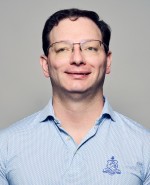
Timothy M. Mallers, Jr., MS, RN
Assistant Professor; Clinical Coordinator, MENP Program
Courses Taught: Introduction to Evidence-Based Practice
What is your clinical/professional background or area of specialty?
I’m a jack of all trades regarding my clinical experience. I’ve done inpatient and outpatient, clinical research, med-surg and critical care. Out of coincidence, I found myself working in the field of functional neurosurgery and really enjoyed all that went into caring for that patient population.
Why did you choose nursing as a profession?
I knew that I wanted to be in healthcare after working for 3 years as a scientist. The immediacy in results as well as the human to human interaction is what drew me in. After going through nursing school and then working as a nurse, the amount of work that nurses are independently able to provide is what keeps me interested.
What is your teaching style?
I call it constructive positivism. Nursing school forces you to learn about subjects or be in clinical situations which cannot be easily prepared for. My job as your instructor is to help you learn what to do and my approach is to make you feel comfortable learning through your mistakes. There is no way to know everything as a nursing student, but there is a way to develop your learning so that you can gain knowledge without fear of being wrong.
Why RFU and the College of Nursing?
I was a scientist in the Microbiology and Immunology department here at Rosalind Franklin before I went through nursing school at Rosalind Franklin. I joined the team because the environment created by the faculty is second to none and MENP students are the hardest working students I’ve been around.
What would you like prospective students to know about you?
I think that the more I learn about nursing, it becomes clear that there is so much to be discovered about the art and science of nursing. Having a curious mind and working to develop critical thinking will enrich your nursing career in ways that you can’t imagine.
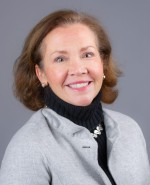
Dr. Lori Thuente, PhD, RN
Associate Professor; MENP Founding Program Chair; Director, Scholl Family Foundation Empathy Lab
Courses Taught: Nursing Advocacy & Leadership
What is your clinical/professional background or area of specialty?
My clinical background is pediatric nursing, case management and risk identification. As a nurse, I have been in many roles from the bedside to the leadership team.
Why did you choose nursing as a profession?
It took me several years to identify a career that truly felt like it fit me. Once I became a nurse, work became a joy instead of something I dreaded doing.
What is your teaching style?
Experiential learning has been my focus for many years now although it must be connected to the didactic content. In class, we focus on self-directed learning, student participation, and reflection.
Why RFU and the College of Nursing?
My dissertation was in Nurse-Physician Collaboration and RFUMS is known for its commitment to interprofessional learning. As providers from all professions rely on one another for the best patient outcome, I truly believe that RFUMS stands out amongst its peers by training students interprofessionally from their first day. I was lucky enough to help design and build the College of Nursing. Faculty were chosen and hired because of their belief in the integrity of the profession and their commitment to student success. The faculty are committed as a whole in helping educate and train the best nurses we can.
What would you like prospective students to know about you?
I will hold you to very high standards of honesty and integrity. This is a career that you must be committed to and work to earn the title of a nurse. It is not a role for everyone but it is a role that gives way more than it takes if you do it right!
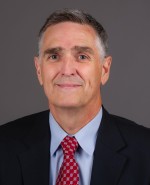
John P. Owens, RN, MENP
Professor
Courses Taught: Basic and Advanced Physical Assessment; Nursing Socialization; Medication Calculation
What is your clinical/professional background or area of specialty?
Before I retired from in patient nursing my specialty was inpatient oncology with adults. I was certified in oncology during that time but I have been retired from inpatient nursing for almost five years (since Covid ended).
Why did you choose nursing as a profession?
I had intended to go to medical school after college but having worked for two summers with medical teams on the Haitian – Dominican border and getting to know the physicians and medical students I worked with, I decided that medical school was too limiting for me and I needed something with more flexibility and options. In addition, where else but in nursing can one have such a positive and immediate impact on peoples’ lives. Nursing is a terrific and multilayered experience throughout one’s career.
What is your teaching style?
I use a quasi- Socratic style of where students are presented the information through lecture and hands on exercises in lab but the students are also called upon in class to critically think and reason through the problems presented to them. I encourage my students to make mistakes in class and for them to see those mistakes as a way to deepen their understanding of the subject matter. We also laugh a lot.
Why RFU and the College of Nursing?
Incredible support, access to faculty, and collegiality. We have a saying, “Success or failure in this program is 35 feet. That is the distance from the student study rooms to the front doors of the faculty offices. If you can walk 35 feet you can succeed.” The access to faculty and student support services is a huge advantage for our students. Nursing school is challenging. The MENP program is a dynamic program and we work with our students to become their best. We aren’t looking for average and we do our best to challenge our students to develop habits of excellence.
What would you like prospective students to know about you?
As I mentioned above, I did not go to medical school out of college because there was so much more I wanted to do. After college I lived in Italy for a while and entered the business world when I returned and I had a solid career. But I always knew that I wanted to have two careers in life since life is so short and there is so much to do in the world. My second career is nursing. I started my nursing program at age 50. My wife and daughter were incredibly supportive and I am forever grateful to them. Next year will be my twentieth year as a nurse and it has been an incredible ride! My only regret is that I did not do it sooner.
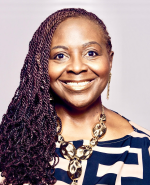
Dr. Alicia Fielder, DNP, RN, CCM
Assistant Professor
Courses Taught: Adult Health; Clinical Synthesis
What is your clinical/professional background or area of specialty?
I am a registered nurse with more than 28 years of healthcare experience spanning nursing education, professional development, case management, utilization review, neonatal intensive care, women's health, and academic instruction. My clinical foundation was built in the Neonatal Intensive Care Unit (NICU) at Rush University Medical Center, where I cared for critically ill and premature infants and their families for over 16 years. Throughout my career, I have expanded my expertise into case management, care coordination, discharge planning, quality improvement, and professional development. Most recently, I served as a Professional Development Specialist with Northwestern McHenry Hospital, where I designed educational programs, developed preceptors, and led evidence-based practice initiatives. Today, as an Assistant Professor at Rosalind Franklin University, my focus is preparing future nurses through effective teaching, mentorship, and the integration of evidence-based practice into clinical education.
Why did you choose nursing as a profession?
I chose nursing because it combines my passion for helping others with my desire to make a meaningful difference in people's lives. Nursing is a profession that allows me to care for individuals and families during some of their most vulnerable moments while also serving as an advocate, educator, and leader. What continues to inspire me is the opportunity to have a lasting impact beyond direct patient care. Whether I am supporting a patient, mentoring a new nurse, or teaching a future healthcare professional, I am contributing to better outcomes and stronger communities. Nursing has provided me with a career that is both personally fulfilling and professionally rewarding.
What is your teaching style?
My teaching style is student-centered, interactive, and supportive. I believe students learn best when they are actively engaged and encouraged to think critically rather than simply memorize information. I strive to create a positive and inclusive learning environment where students feel comfortable asking questions, making mistakes, and growing as professionals. I incorporate a variety of teaching strategies, including case studies, real-world clinical examples, simulations, educational games, and collaborative discussions. My goal is to make learning both meaningful and memorable while helping students build confidence in their clinical judgment and communication skills. I also place a strong emphasis on mentorship and professional development, encouraging students to recognize their potential as future healthcare leaders.
Why RFU and the College of Nursing?
Rosalind Franklin University and the College of Nursing are deeply committed to excellence, innovation, interprofessional collaboration, and student success. These values strongly align with my own professional philosophy and passion for developing future healthcare professionals. I was drawn to RFU because of its dedication to preparing students for the complexities of modern healthcare through evidence-based education and collaborative learning. The university's emphasis on service, leadership, diversity, and lifelong learning creates an environment where both students and faculty can thrive. I am honored to be part of an institution that is committed to advancing healthcare and empowering the next generation of nurses.
What would you like prospective students to know about you?
I want prospective students to know that I am genuinely invested in their success. My goal is not only to help students master course content but also to help them develop the confidence, professionalism, and critical thinking skills needed to excel in healthcare. I understand that nursing school can be challenging, and I strive to create a supportive environment where students feel encouraged to ask questions, seek guidance, and embrace growth. I believe every student brings unique strengths and experiences to the classroom, and I am committed to helping each individual reach their full potential. Most importantly, I want students to know that I view teaching as a partnership. I am passionate about mentoring future nurses and helping them become compassionate clinicians, effective leaders, and advocates for the communities they serve.
Thomas Tockey, MSN, RN, NPD‑BC
Assistant Professor
Courses Taught: Geriatric Health; Simulation
What is your clinical/professional background or area of specialty?
Clinical: Progressive Care/Cardiac/Telemetry nursing. Clinical Nursing Education Post graduate transisiton to practice
Why did you choose nursing as a profession?
Nursing is a profession for people who look at problems holistically and with critical thought.
What is your teaching style?
Learning is a collaborative process. I prefer to teach using applied learning theories like case studies and/or simulation.
Why RFU and the College of Nursing?
RFU and the College of Nursing engage in the community and partner with CLC and the college of lake county to bring local students into the program. I met one student at Lake Forest Hospital when they were still at Lake Forest College and I was impressed with the collaboration.
What would you like prospective students to know about you?
I've helped more than 300 new graduate nurses transition into professional nursing roles, post graduation. I'm continuing my work here in a pre-licensure capacity, now.
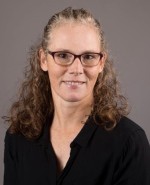
Dr. Alexandra D. Michel, PhD, CNM, FACNM
Associate Professor
Courses Taught: Reproductive Health; Research Synthesis; Clinical Synthesis
What is your clinical/professional background or area of specialty?
I am a Certified Nurse-Midwife with a research interest around the quality of care. I started out in nursing in 2005 in Detroit, Michigan, on a Women's Med-Surg floor, then went first to a Level III NICU and then a high risk, high volume Labor and Delivery unit. Once I got my Master's degree in Nursing I first worked at the Genesee County Health Department in Flint, Michigan before taking a position in the federal government where I first worked as Full scope midwife at Joint Base Lewis McChord outside of Tacoma, Washington, then Womack Army Medical Center on Fort Bragg, North Carolina. Since then I have also worked in several positions in Maryland, at Tripler Army Medical Center on Oahu, Hawaii and locally here in Lake County.
Why did you choose nursing as a profession?
I wanted to care for neonates and medical school seemed too far away. I did not quite know what I was getting myself into with nursing, but realized that it is the perfect profession for me. Nursing is actually in my blood. My great-grandmother was a nurse during World War I. She also worked for Ferdinand Sauerbruch, one of the preeminent cardiothoracic surgeons of the early 20th Century.
What is your teaching style?
My hope for every class is to have lively and fun interactions. I see myself as a facilitator rather than a teacher. I want to challenge you to think, because that is where learning happens. I also like fun and games (pun intended) by including collaborative gaming into my curriculum wherever possible.
Why RFU and the College of Nursing?
The military assigned my husband to Northern Lake County so I looked for a position in the area and one that fit my skill set was open. That is not something that happens often when you are a military spouse so I jumped on the chance. I realized quickly that finding this position was akin winning the lottery. I love coming to work every day, collaborating with the other faculty and staff, and also being there for the students. When my husband retired we chose to stay here, because I was not willing to give up this job.
What would you like prospective students to know about you?
Don't let the exterior fool you. I am always here when you need help and I am always there for a good laugh.
Dorothy Shapiro, DNP, APRN CNP, ACNP‑BC, AGACNP‑BC
Assistant Professor
Courses Taught: Pathophysiology; Pharmacology
What is your clinical/professional background or area of specialty?
Acute Care Nurse Practitioner specializing in Pulmonary Medicine, with clinical experience in ICU, SICU, and surgical nursing.
Why did you choose nursing as a profession?
Nursing is a profession with diverse areas of practice, many pathways for personal growth, and countless opportunities to help people in varying stages of their lives.
What is your teaching style?
My teaching goal is to challenge students to develop critical thinking skills while applying the principles of pathophysiology and pharmacology using a variety of challenging case studies, interactive lectures, group activities, and individual activities.
Why RFU and the College of Nursing?
RFUMS and its College of Nursing provide an atmosphere of collegiality, diversity, fairness, and community. The University is teeming with activities, cooperation, and opportunities in which to grow.
What would you like prospective students to know about you?
I am prepared to use my years of clinical expertise and experience to help grow the next generation of nurses. I have precepted countless nursing, nurse practitioner, and Doctor of Nursing Practice students and want to continue giving back to the profession as a professor at RFU.