
Chicago Medical School
View Related Pages
Lise Eliot, PhD
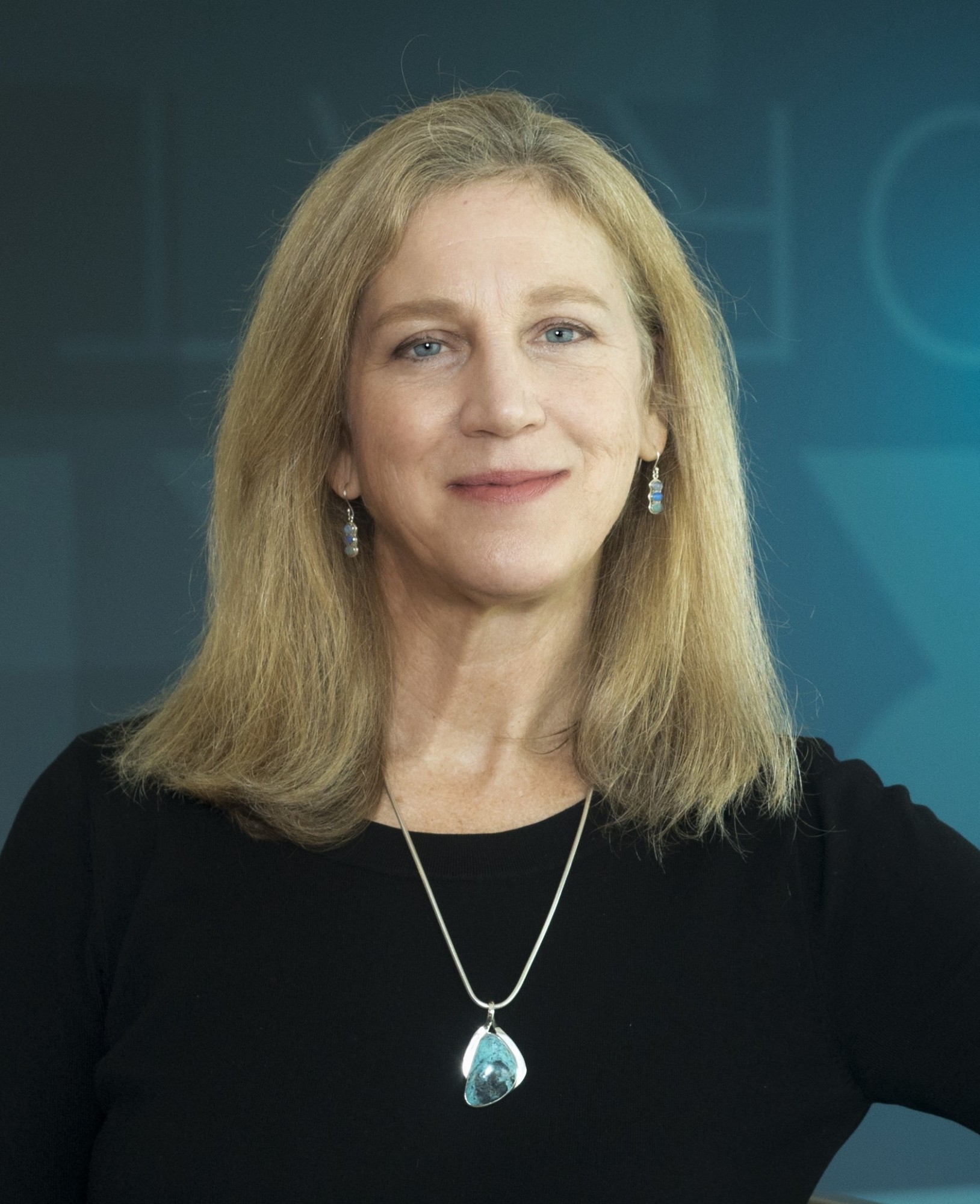 Tell us a little bit about yourself and how you got to where you are now?
I’m a neuroscientist who started out pre-med, but what attracted me to medicine was
learning how the human body works. Once I realized I could get a PhD at a medical
school, my dilemma was solved.
Who has had the biggest impact on your career?
No doubt my PhD advisor, Eric Kandel at Columbia. He was a true visionary who
created an incredibly stimulating environment to train in. We had the most memorable
discussions in the lunchroom, with faculty, students, post-docs and technicians all
joining in. Eric was a brilliant scientist and also a big picture thinker, which is what drew
me to neuroscience and where I turned my attention after my post-doc.
What is your greatest scientific accomplishment?
I’m very proud of my two books, What’s Going On In There? (about human brain
development from conception to age 5) and Pink Brain, Blue Brain (about the neural
basis of gender development) where I think the science has stood the test of time. Also,
my 2021 paper, Dump the Dimorphism, has had a healthy impact on human imaging
research on brain sex differences. I have three more books in me that I hope to get out
before too long!
What is one of your biggest failures in science and how did you overcome it?
Finishing graduate school, I was very interested in human brain imaging which was just
taking off at the time. I wish I’d switched gears then from cellular neurophysiology to
human MRI research. I’ve overcome it to some degree by conducting meta-analyses on
this research, but wonder what would have happened if I’d gone into the field at that
seminal moment.
How do you balance home and work life?
It’s a lot easier now that our kids are grown, although I am responsible for my elderly
mother who lives nearby. I love my work, so rarely feel like it prevents me from doing
other things. But I always make time for exercise, and cooking, and getting outside
every day.
Have you ever faced prejudices being a woman?
Not overtly, but I know enough about unconscious bias to realize that we are always
being judged according to our gender, race, ethnicity, religion, education, etc. As one of
Eric’s first women graduate students, he seemed to have lower expectations for me
than male colleagues. He didn’t pressure me, like he did them. Of course I appreciated
the reprieve at the time, but in hindsight it seems he was taking a more delicate
approach with me. I also had my share of sexual harassment from professors in grad
school, and complete lack of female mentors during my post-doc. It’s hard to say
whether these experiences derailed me, but I do think they contributed to self-doubt at
my formative stages.
What tips or advice would you give to other women that want to pursue a faculty
position?
It’s a great career, and more important than ever. The only thing that can possibly keep
AI in check is human experts, and it takes a lot of study and original thinking to get to
that level of expertise. No question, the academy is in a very vulnerable position in the
US right now, but if we really want to compete globally, then developing young people’s
minds is our best hope. We must continue to invest in universities. Whether you are
more focused on research or teaching, you can make a great difference in people’s
lives.
What are some fun facts about yourself that are not on your resume?
I used to be a dancer (ballet, then modern) and performed in various companies as a
teen and college student. I moved to New York after college so I could take classes at
Merce Cunningham’s studio. When I started grad school at Columbia the following year,
the studio was a terrific escape, and got me down to the West Village several times a
week. Now I practice yoga, the perfect segue for aging dancers!