Chicago Medical School
View Related Pages
"Do You Feel Me?"
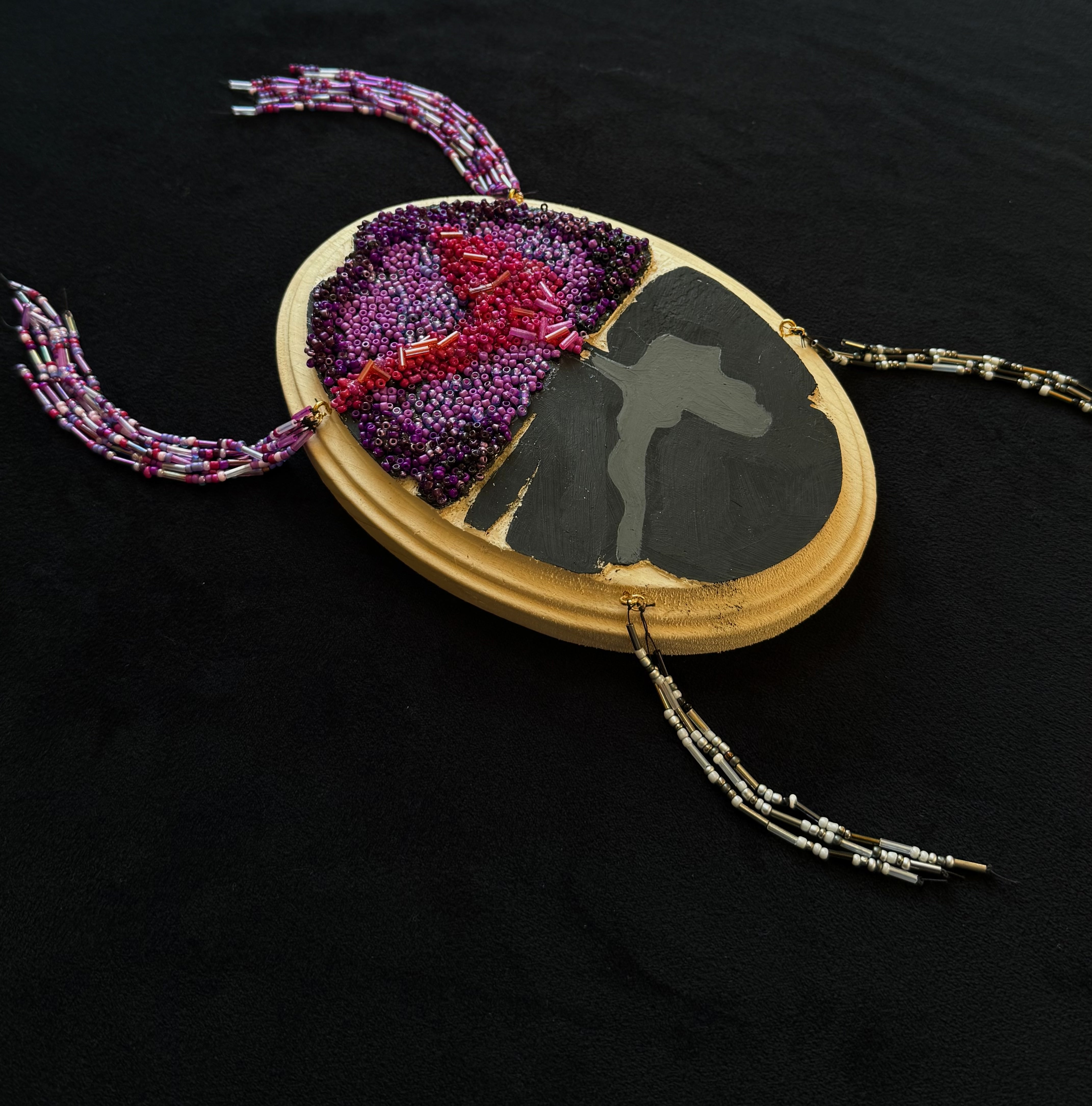
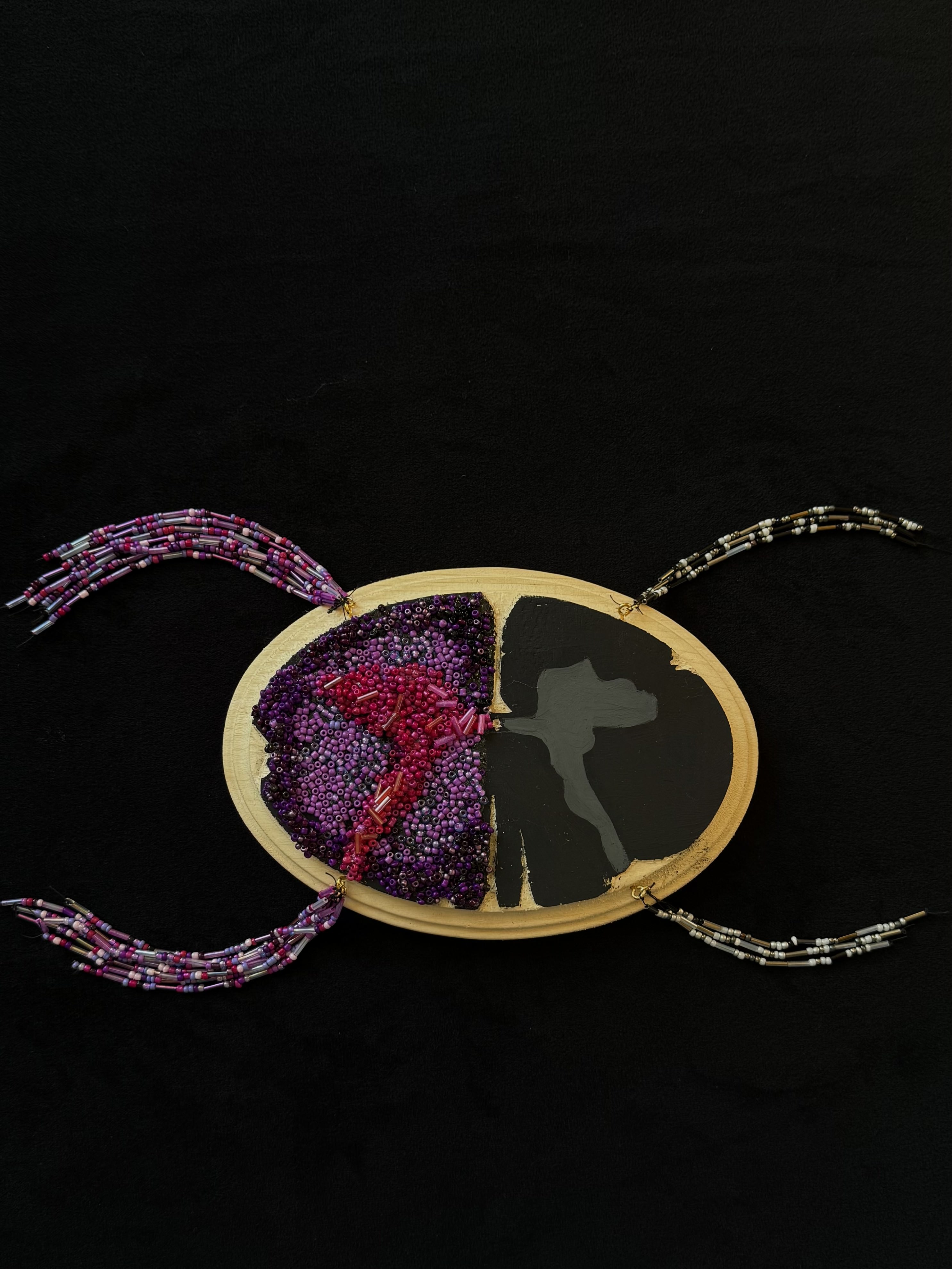
"Do You Feel Me?"
Artwork by Meghana Mohan, CMS ’28, Student
Artist Statement:
When picturing a synapse, most think of the brain. However, the spinal cord plays a vital role in the synaptic transmission that allows us to perceive and act in response to the world around us. Do You Feel Me? explores synapses at the level of the spinal cord.
In clinical practice, there are many unspoken words between the physician and the patient. One of them is a silent question from patient to physician: “Do you feel (for) me?” This question is a quiet plea — a longing to be seen and understood beyond one’s ailments and deeper into one’s humanity.
When creating this piece, I reflected on this question and an interaction I had with a patient at a rehabilitation facility. The patient was around my age and suffered a spinal cord injury that left her paralyzed from the neck down. She could not feel my hand when I held hers as support, and I could not feel her pain and struggle. This disconnect extended beyond severed synapses.
As providers, we can never fully “feel” a patient’s pain, discomfort, or suffering; it is a journey they must walk alone. However, as physicians, we are called to create meaning and provide comfort beyond the scope of medicine. Though pain cannot be shared through synapses, meaning can be fostered through attention, reflection, and presence.
My piece illustrates a histological cross-section of the cervical spinal cord, specifically focusing on Brown-Séquard syndrome, a rare neurological condition resulting from damage to one half of the spinal cord. This pathology clinically manifests as weakness or paralysis on the ipsilateral (same) side as the injury and loss of pain and temperature sensation on the contralateral (opposite) side below the injury.
The beaded portion of the piece illustrates the healthy synapses within the spinal cord. This half of the work is in color and can be experienced by the viewer through touch. The other half of the cross-section illustrates the damaged side of the spinal cord using paint, woodcarving, and ink. This side is less tactile and interactive, reflecting the damaged synaptic fibers. I attached beaded strings to the piece using jump rings to create the dorsal and ventral root neural fibers, which radiate from both sides. The damaged side depicts atrophy of the nerve fibers.
The piece invites the viewer to feel beyond touch and deeper into the shared experiences that make us human.
Beadwork and carving on wood.